
Free in-home measure and quote - PGT, CGI and CWS impact lines compared on your actual openings, style by style
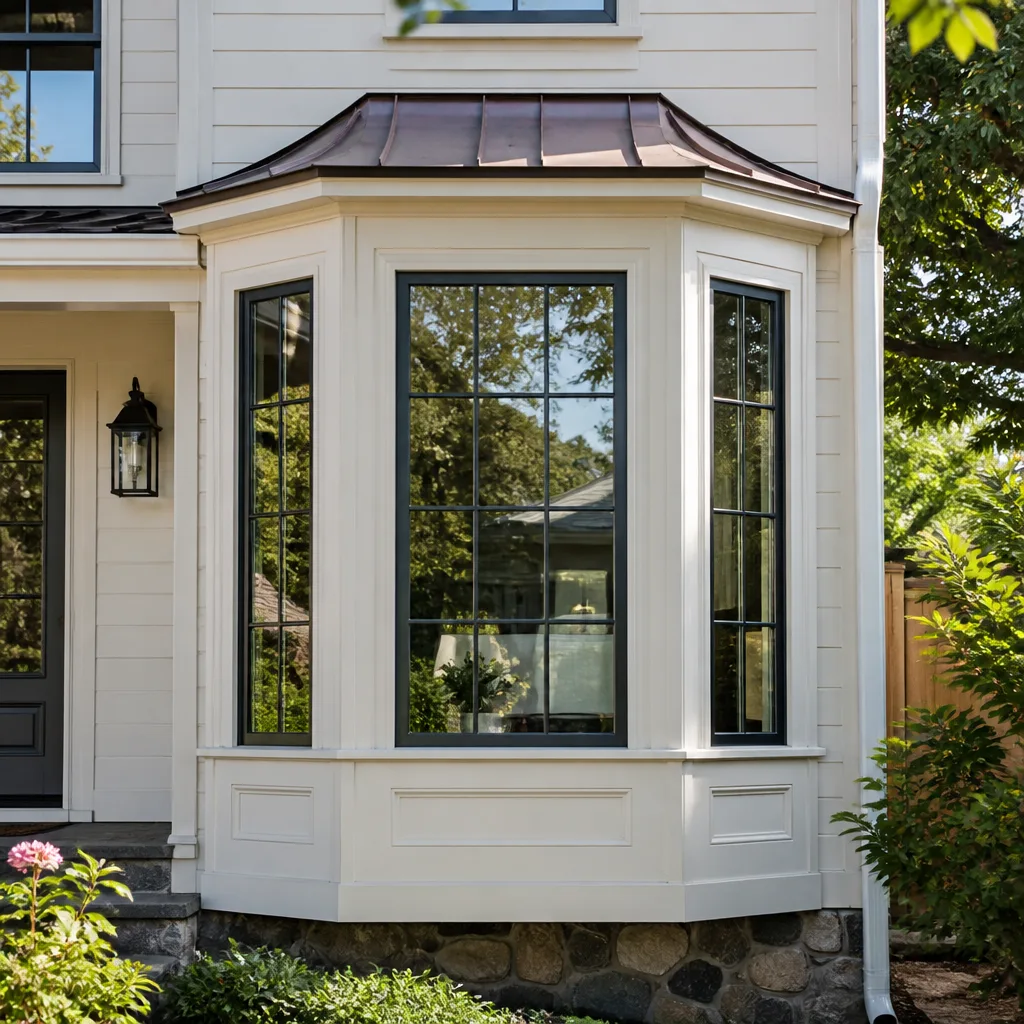
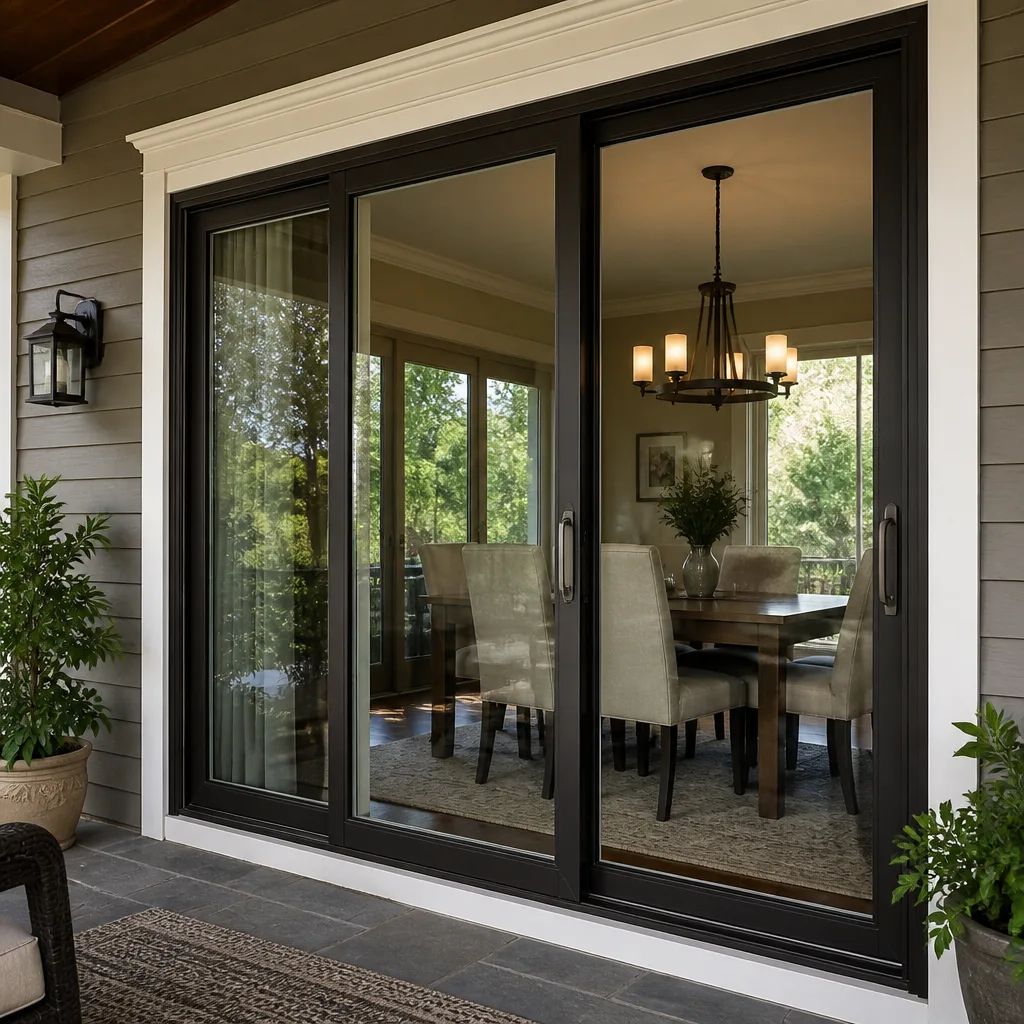
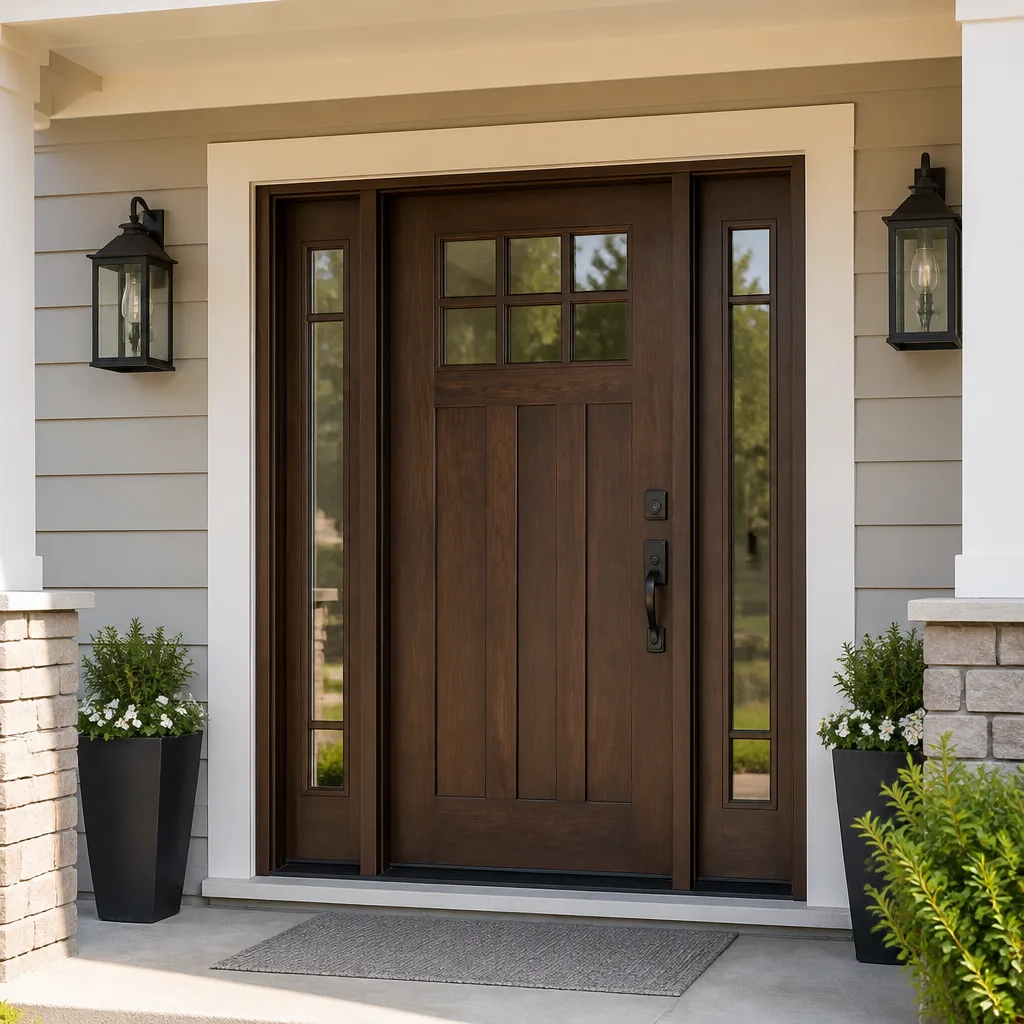
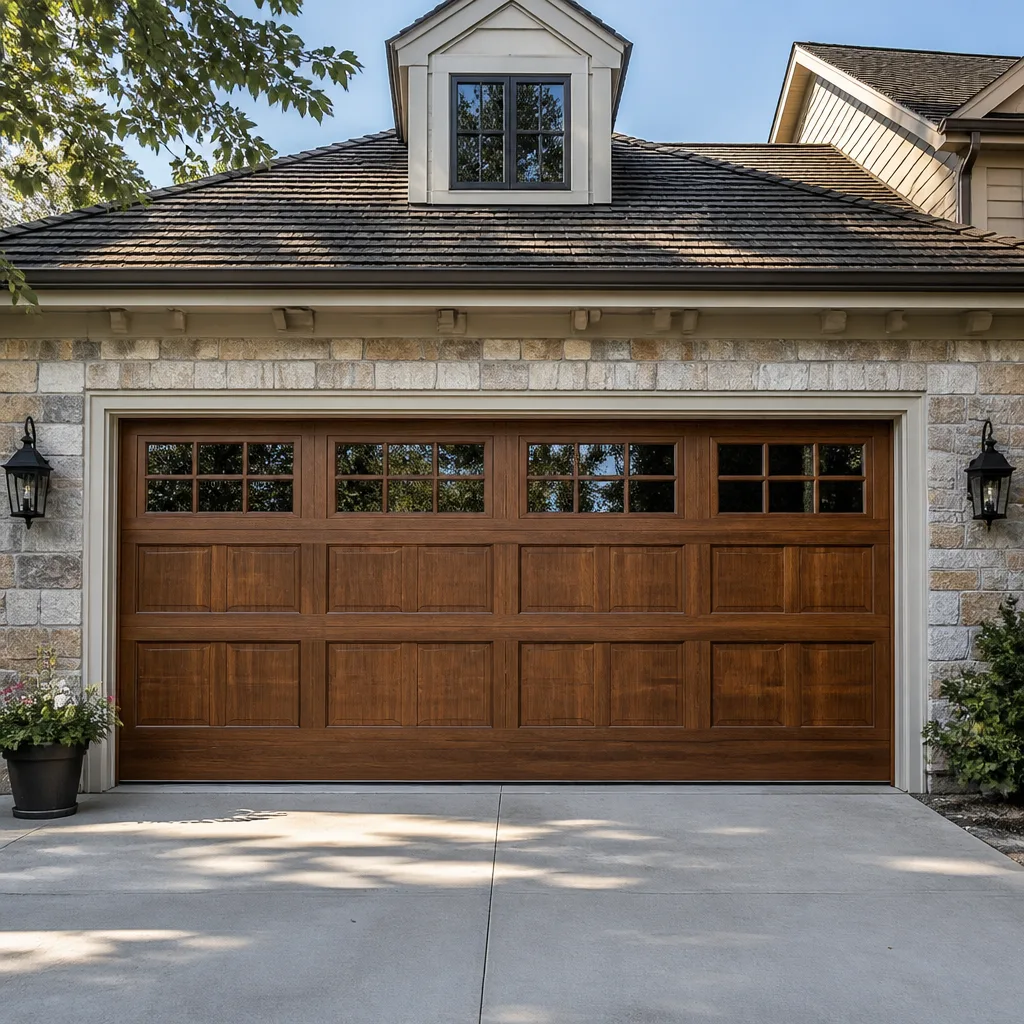
 Before
 After
After Before
 After
After Before
 After
After3-Panel Sliding (3-Lite Roller) Windows in Lighthouse Point, FL
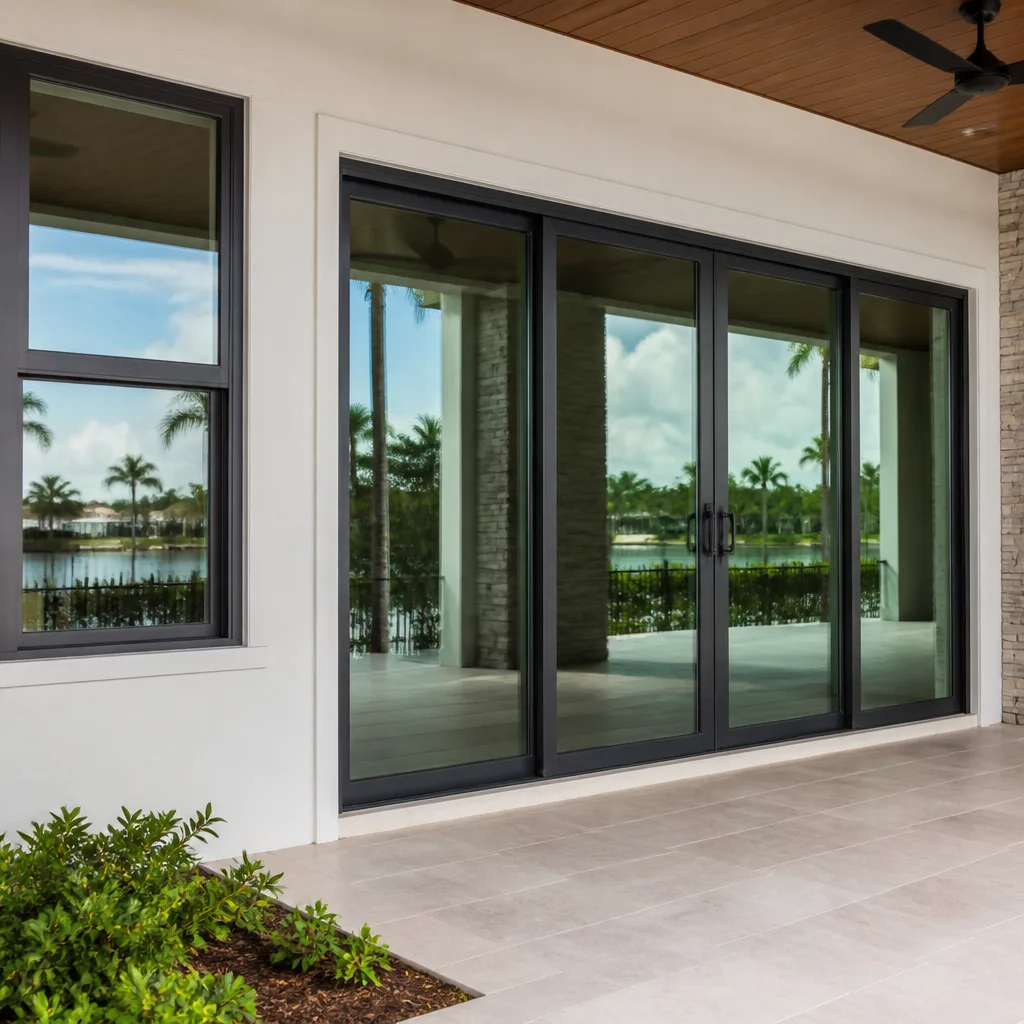
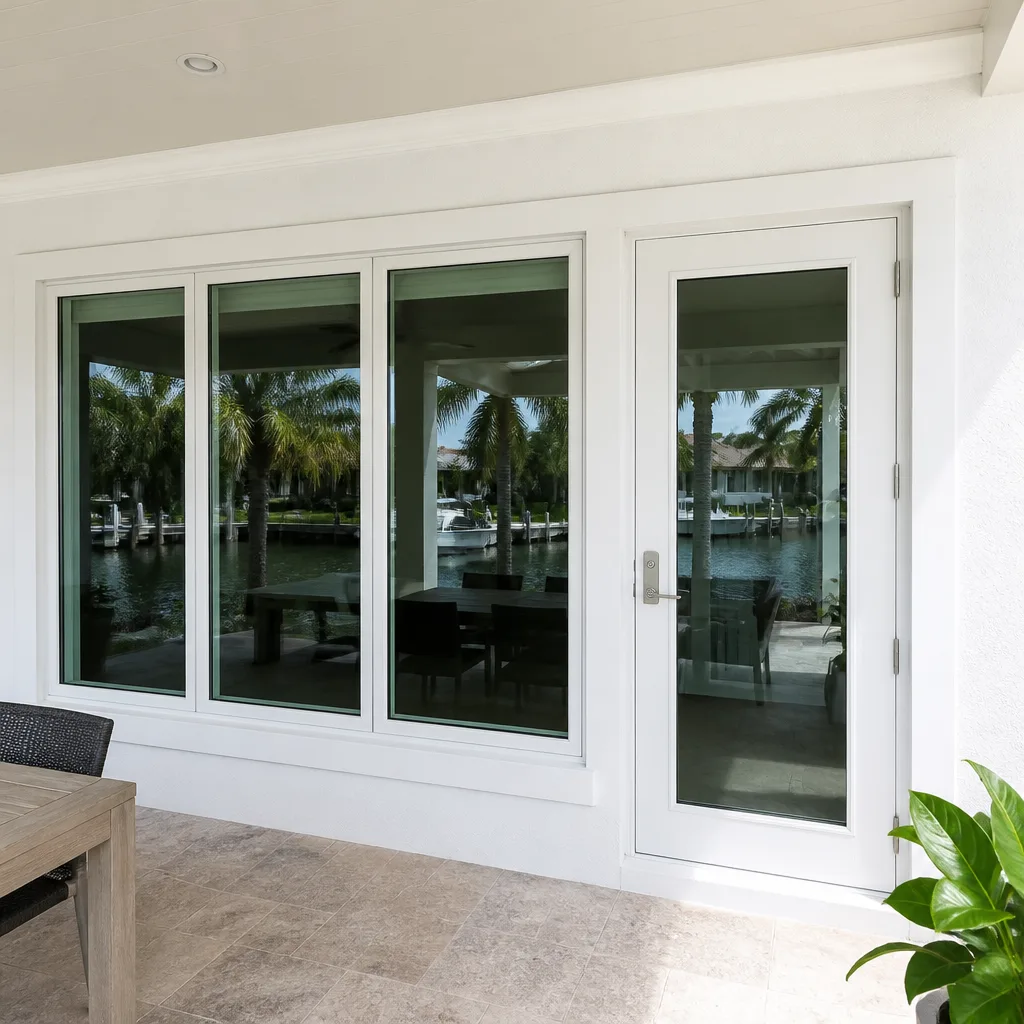
A 3-panel sliding window – sometimes called a 3-lite roller – divides one wide opening into three glazed sections, with the two outer panels fixed in place and the center panel sliding left or right on a track. In Lighthouse Point, where wide waterfront views and cross-breezes matter as much as impact protection, this configuration gives homeowners a broad sightline without sacrificing ventilation or structural integrity. Sightline Windows & Doors has provided our Window Installation services for more than 18,000 windows and doors since 2012, and the 3-lite roller is one of the most requested configurations we see on homes along the Intracoastal lots and on the older ranch-style houses west of Federal Highway.
If you have a wide opening – typically anything from 72 inches to 120 inches – and a two-panel slider isn’t cutting the view or the airflow, a 3-panel configuration is almost always the right answer. Call us at (754) 600-8907 and a live person will pick up, any hour. You can also read about the full scope of Window Installation in Lighthouse Point to understand where the 3-lite roller fits within the broader replacement and new-construction work we handle here.
Every engagement at Sightline begins the same way: a measured survey that the customer keeps, and a written price attached to that survey before a single tool is lifted. That isn’t a promotion – it’s Haven Clause 1, and it has been the operating rule here since 2012.
When You Need 3-Panel Sliding (3-Lite Roller) Windows
- Your existing wide opening has a single fixed or casement window that blocks the view. On Lighthouse Point’s canal-facing elevations, homeowners often discover that a previous owner installed an operable casement across a 96-inch rough opening. A 3-lite roller replaces that in kind, preserving the opening size while adding ventilation and a cleaner frame line.
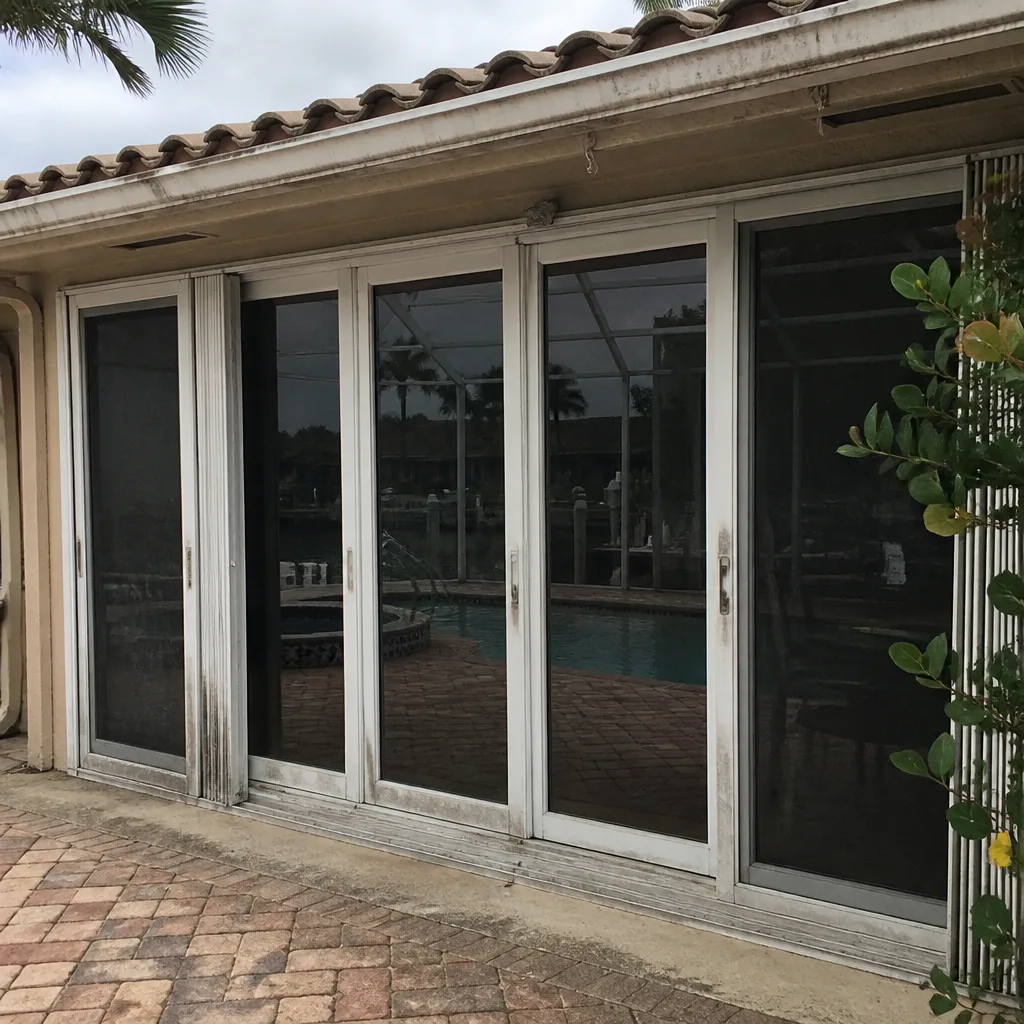
- You’re getting wind-driven water intrusion at the track every June. South Florida’s Atlantic-side storm season pushes rain horizontally. Older aluminum sliders – especially anything installed before 2005 – routinely fail at the track seal. Lighthouse Point’s proximity to the coast means that “minor leak” often becomes a mold problem inside the wall cavity within one wet season.
- Your current slider isn’t impact-rated and you’re facing an insurance renewal. Broward County insurers have tightened requirements on non-impact glazing since 2023. A 3-panel impact-rated unit from a line like PGT or CGI satisfies Miami-Dade Notice of Acceptance (NOA) requirements and typically qualifies for a meaningful premium reduction – your insurer can give you the exact figure.
- The center panel sticks, jumps the track, or won’t latch fully. On a 3-lite roller, the center panel carries all the operational load. When rollers wear or the frame racks – common in older Lighthouse Point homes that have settled on their slabs – the latch won’t draw the panel flush against the meeting stile, and that’s both a weather seal failure and a security issue.
- You’re adding a bonus room or Florida room and need to match existing window profiles. Many Lighthouse Point homeowners are converting screened porches or detached structures into conditioned space. A 3-lite roller is the standard configuration for filling a wide framed opening in that context, and matching the profile to existing windows in the main house is a detail we document with photographs at every visit.
- Your U-factor and SHGC values are pushing up your cooling bill. Single-pane aluminum sliders carry U-factors around 1.0 or higher, and solar heat gain coefficients close to 0.80. A modern low-e impact slider – PGT’s WinGuard line, for instance – brings U-factor down to around 0.35 and SHGC to roughly 0.22 to 0.26 depending on glass package. In Lighthouse Point’s nearly year-round cooling climate, that gap is real money on the FPL bill.
Our 3-Panel Sliding (3-Lite Roller) Windows Process
-
Measured Survey and Written Scope
A Sightline technician arrives in uniform, identified by license number in advance – Haven Clause 3. We measure the rough opening at three horizontal points and three vertical points, note the frame material, check the sill for levelness, and record the existing glazing type. In Lighthouse Point specifically, we also note proximity to salt air exposure, which affects the hardware specification we write into the scope. You receive the survey document; the quote attached to it cannot differ from what that document says.
-
Product Specification
We select from eight manufacturer lines based on what the opening requires – not what is sitting in a warehouse – including options for Awning & Hopper Windows and other styles. For a standard Lighthouse Point replacement in a wood-frame or CBS (concrete block structure) home, the conversation usually starts with PGT’s WinGuard aluminum or CGI’s TS-500 series, both of which carry Miami-Dade NOA and are rated for the 170-mph design pressure requirements Broward County enforces in coastal zones. If the opening is unusually wide – 108 inches or more – we’ll specify accordingly, because a 3-lite roller at that span needs a reinforced interlock at the meeting stiles and heavier-gauge frame extrusions than a standard 72-inch unit.
-
Permit Pulling
Window replacements in Lighthouse Point require a Broward County building permit when the opening size changes or when impact glazing is being substituted for non-impact. Sightline pulls permits as part of standard scope; we don’t treat it as an add-on. The permit number is entered into the job file alongside the NOA documentation for the specified product, and that file is part of the photo record the customer receives at close.
-
Removal and Frame Preparation
The existing unit comes out. On CBS construction – the dominant wall type in Lighthouse Point – we remove the old frame, grind the buck, and inspect for water infiltration or concrete deterioration around the opening perimeter before we set the new frame. Any deterioration we find is photographed and documented. We don’t proceed over a compromised substrate; that’s Haven Clause 5 – no surprises means no hidden problems buried under new glazing.
-
Installation and Glazing
The new 3-panel frame is set, shimmed, and fastened to the buck using the fastener schedule specified in the product’s NOA, similar to how we install Bay & Bow Windows. The glazing panels – two fixed lites and one operational center panel – are installed with the rollers pre-adjusted to the manufacturer’s track-load specification. We apply the perimeter sealant per the product’s installation guide, not by feel. The operational panel is cycled 20 times and the latch draw is verified against the spec sheet before we consider the unit set.
-
Inspection, Documentation, and 365-Day Coverage
Final inspection is scheduled with Broward County. Once the inspector signs off, we photograph the completed installation – frame, glazing, perimeter seal, latch engagement – and that photo record is delivered to you. The 365-Day Done Right Promise is stamped on the job: if anything about the installation isn’t right within the first year, we make it right, in writing, under the Haven Standard. Sonia Raman reviews flagged jobs personally.
 Before
 After
After3-Panel Sliding (3-Lite Roller) Windows Pricing in Lighthouse Point
3-panel sliding windows in Lighthouse Point typically run between $1,100 and $2,800 per unit installed, depending on size, glass package, impact rating, and frame material. That range reflects real jobs we’ve completed in Lighthouse Point and the surrounding Broward coastal zone – not a national average pulled from a generic estimator.
Below is a practical breakdown of where cost is generated on a 3-lite roller installation:
| Cost Factor | Typical Range (Installed) | Notes |
|---|---|---|
| Standard aluminum 3-lite slider, 72″ wide, no impact rating | $1,100 – $1,400 | Rarely appropriate for Lighthouse Point coastal zones; insurance implications apply |
| Impact-rated aluminum 3-lite roller, 72″-84″ wide (PGT WinGuard, CGI TS-500) | $1,500 – $2,000 | Most common size bracket for Lighthouse Point residential openings |
| Impact-rated aluminum 3-lite roller, 84″-108″ wide | $1,900 – $2,500 | Reinforced interlock required; permit cost included in Sightline’s written price |
| Impact-rated 3-lite roller, 108″+ wide, or with upgraded low-e glass package | $2,200 – $2,800 | Larger extrusion gauge; SHGC values as low as 0.19 available in some product configurations |
| Permit (Broward County, pulled by Sightline) | Included in written price | Haven Clause 1: no line-item surprises at the invoice |
What moves cost inside those ranges for Casement Windows and 3-lite rollers alike: opening width is the largest single variable, because the center panel’s span directly determines the frame extrusion weight and the roller load rating. Glass package is the second variable – a basic clear impact lite costs less than a triple low-e coat with argon fill. Frame finish matters less, but anodized vs. painted does carry a price difference on some product lines.
What doesn’t affect your final number: Sightline’s written price is the invoice. The measured survey and the scope are the same document. If something comes up during removal – say, a deteriorated sill or a miscut buck – we document it with photographs, present you with a written change order, and do not proceed until you approve it. There is no version of this where the invoice is larger than the quote without your signature on a change order first.
The estimate is free. Call (754) 600-8907 – a live person answers – or bring us a competitor’s written estimate and we’ll review it at no charge as a free second opinion.
FAQs – 3-Panel Sliding (3-Lite Roller) Windows
How much does a 3-panel sliding window cost in Lighthouse Point?
A 3-panel sliding (3-lite roller) window in Lighthouse Point typically costs between $1,500 and $2,500 installed for the most common impact-rated configurations in the 72-to-108-inch width range. The low end reflects a standard 72-inch impact-rated aluminum unit; the high end reflects wider openings or upgraded low-e glass packages. Non-impact units run lower but are rarely the right specification for Lighthouse Point’s coastal insurance environment. Call (754) 600-8907 for a written price tied to your specific opening – the estimate is free and the quote is the same document as the measured survey.
Does Lighthouse Point require a permit for a 3-panel sliding window replacement?
Yes. Broward County requires a building permit for window replacements in Lighthouse Point when the installation involves impact glazing substituted for non-impact, or when the opening dimensions change. Sightline pulls the permit as part of standard scope – it’s included in the written price, not billed separately. The permit number and the product’s Miami-Dade Notice of Acceptance documentation both go into the photo record you receive at job close. Skipping the permit on an impact window replacement can create problems at resale and may void the product manufacturer’s warranty, so it’s not optional on any job we take.
Can the center panel on a 3-lite roller be repaired without replacing the whole unit?
Sometimes. Roller replacement, track cleaning, and latch adjustment can resolve operational problems on a center panel that is otherwise structurally sound – we do evaluate this at the measured survey before recommending full replacement. That said, on impact-rated units, the glazing and frame are part of a tested assembly covered by a Miami-Dade NOA. Substituting a non-matching panel into that assembly may void the NOA and the impact certification, which affects your insurance. We document what we find and give you both options in writing before any work starts.
How long does a 3-panel sliding window installation take in Lighthouse Point?
Most single-unit 3-lite roller replacements on existing openings take four to six hours on-site, assuming the frame removal doesn’t reveal substrate damage that requires repair. Lead time from signed scope to installation day is typically three to six weeks for PGT and CGI units, depending on the product configuration and current manufacturer scheduling. We confirm the installation date in the written scope and arrive on the scheduled day – Haven Clause 2. Permit scheduling with Broward County adds a final inspection day, usually within one to two weeks of installation completion.
Key Takeaways
- 3-panel sliding windows work best on openings 72 inches wide or wider – common on Lighthouse Point canal-facing and porch-conversion projects.
- Installed cost in Lighthouse Point runs $1,100 to $2,800 depending on size, impact rating, and glass package; most common projects fall in the $1,500 to $2,000 range.
- Impact-rated units from lines like PGT WinGuard and CGI TS-500 carry Miami-Dade NOA and satisfy Broward County coastal zone design pressure requirements.
- Sightline pulls permits, delivers a photo record, and covers every installation under the 365-Day Done Right Promise – all documented, none verbal.
- The written price and the measured survey are the same document. The invoice cannot exceed the quote without a signed change order.
- A live person answers at (754) 600-8907, any hour. Free estimates, free second opinions on competitor quotes.
To schedule a measured survey or ask a direct question about your opening, call Sightline Windows & Doors at (754) 600-8907. A live person picks up. You’ll have a written price before any work begins – that’s not a policy we adopted recently; it has been the only way we operate since 2012. You can also learn more about the full range of services we provide under Sightline Windows & Doors.
Written by Sonia Raman, Owner at Sightline Windows & Doors Lighthouse Point, serving Lighthouse Point.