
Last updated September 24, 2026
Free in-home measure and quote - PGT, CGI and CWS impact lines compared on your actual openings, style by style


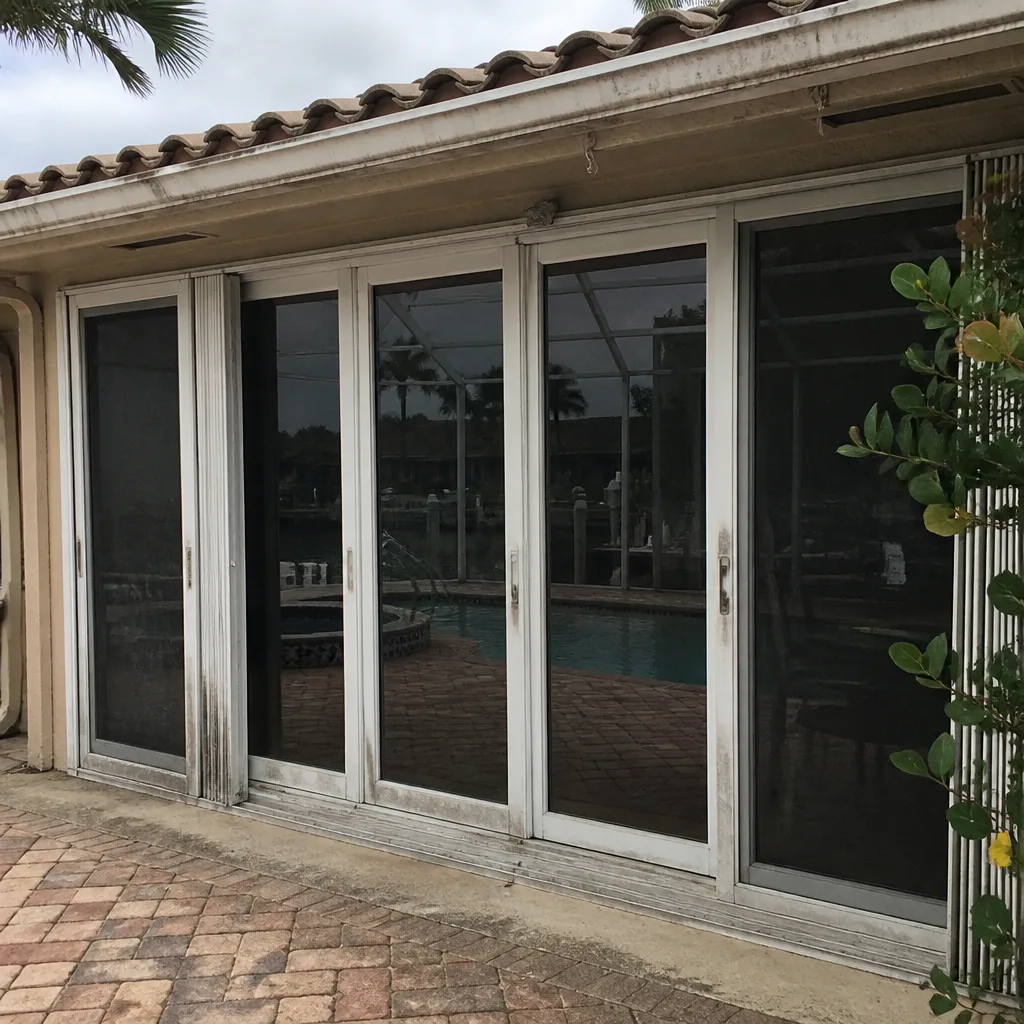 Before
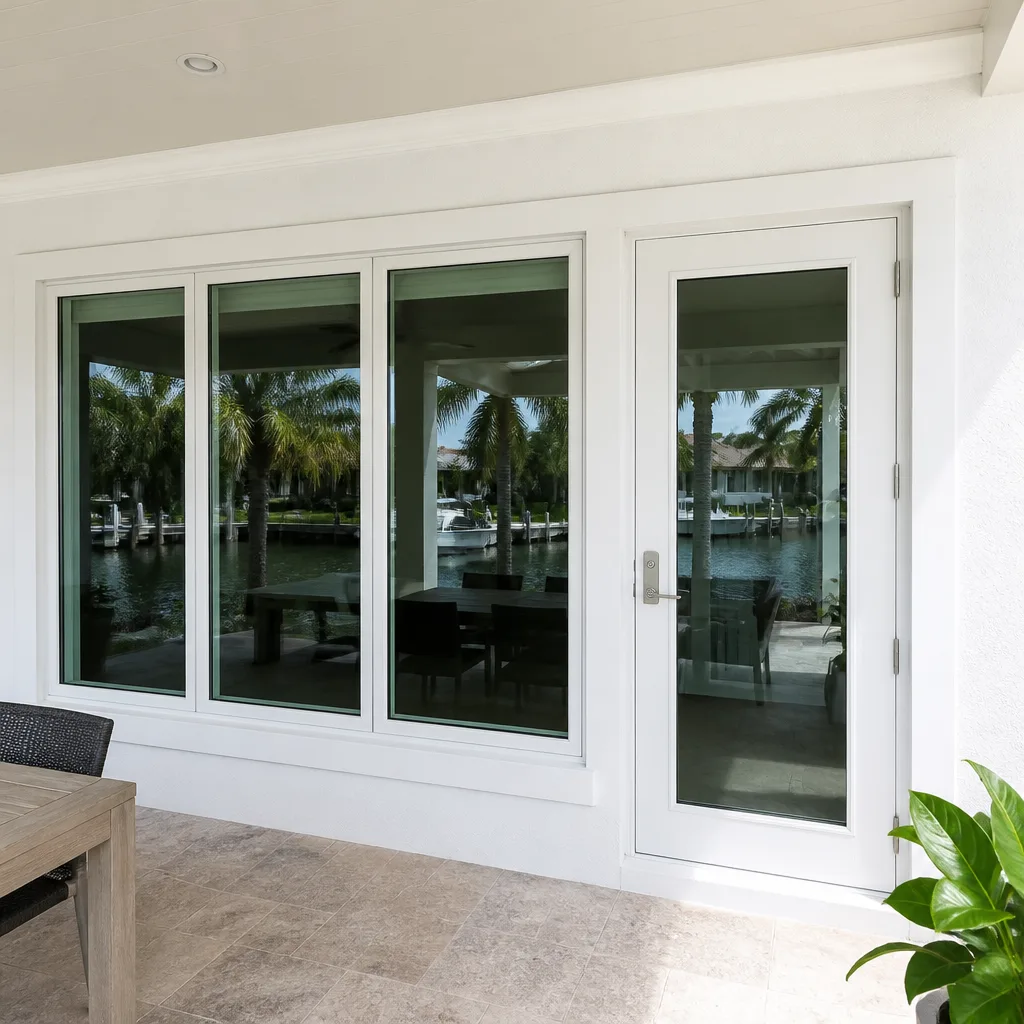 After
After Before
 After
After Before
 After
AfterSeasonal Windows & Doors Care for Lighthouse Point: Year-Round Homeowner’s Guide
The December-through-April dry season in Lighthouse Point is when salt crystallization on aluminum frames does its most concentrated damage. Without rain to rinse surfaces, salt deposits from sea spray accumulate and sit in contact with finishes for weeks at a time. Meanwhile, the June-through-November period brings the opposite threat: driven rain, humidity saturation, and the mechanical stress of repeated storm shutter deployment. Most homeowner guides split maintenance into four equal quarters. That model fails here. This guide structures care around Lighthouse Point’s two real stress periods, with specific tasks, materials, and documentation practices that match how the coastal environment actually behaves.
Quick Answer
Windows and doors in Lighthouse Point need two distinct maintenance rhythms: pre-hurricane preparation in April and May (hardware torque checks, weep hole clearing, glazing inspection, and impact protection testing) and dry-season salt management from December through April (weekly rinsing, correct cleaning agents by frame material, and hardware lubrication). Document everything with dated photos to protect warranty and insurance claims.
Table of Contents

- Why Lighthouse Point Has Two Seasons, Not Four
- The Pre-Hurricane Task List: April-May
- Post-Storm Inspection Protocol
- Dry-Season Salt Accumulation and Removal
- Hardware Lubrication by Component Type
- Building Your Seasonal Documentation Record
- Common Mistakes to Avoid
- When to Call a Professional
- Frequently Asked Questions
- The Bottom Line
 Before
 After
AfterWhy Lighthouse Point Has Two Seasons, Not Four
Standard maintenance calendars assume freeze-thaw cycles, deciduous leaf drop, and heating-season air sealing. None of these apply in Lighthouse Point. What does apply is a binary climate rhythm dictated by the Atlantic and the Gulf Stream’s proximity.
Stress Period One: June-November
The hurricane season brings sustained relative humidity above 75%, wind-driven rain that tests every seal, and the mechanical cycling of shutters or impact panels. Homes within a mile of the Intracoastal or the oceanfront experience salt spray even during storms that never make landfall locally. The combination of moisture and salt creates galvanic corrosion at dissimilar metal contacts: stainless steel fasteners in aluminum frames, brass locks against zinc-coated strike plates.
Stress Period Two: December-May
The dry season averages 2-3 inches of rain monthly versus 6-8 in summer. Without regular rinsing, salt deposits from sea spray build on horizontal surfaces: window sills, door thresholds, the top rails of sliding glass doors. UV accumulation is also concentrated in these months. South- and west-facing exposures in Lighthouse Point receive approximately 1,200-1,400 kWh/m² of solar radiation during this period, accelerating vinyl frame chalking and degrading rubber weatherstrip compounds.
The transition months, April and November, are when you shift modes: from defense to documentation, or from documentation back to defense. This guide treats them as bookends to the two stress periods, not as standalone seasons.
Homes in neighborhoods like Venetian Isles, Lighthouse Estates, and the canal-front sections of Coral Key Club experience more severe salt exposure than interior locations. If you’re within three blocks of open water, advance every task in this guide by two weeks and increase rinse frequency by 50%.
The Pre-Hurricane Task List: April-May
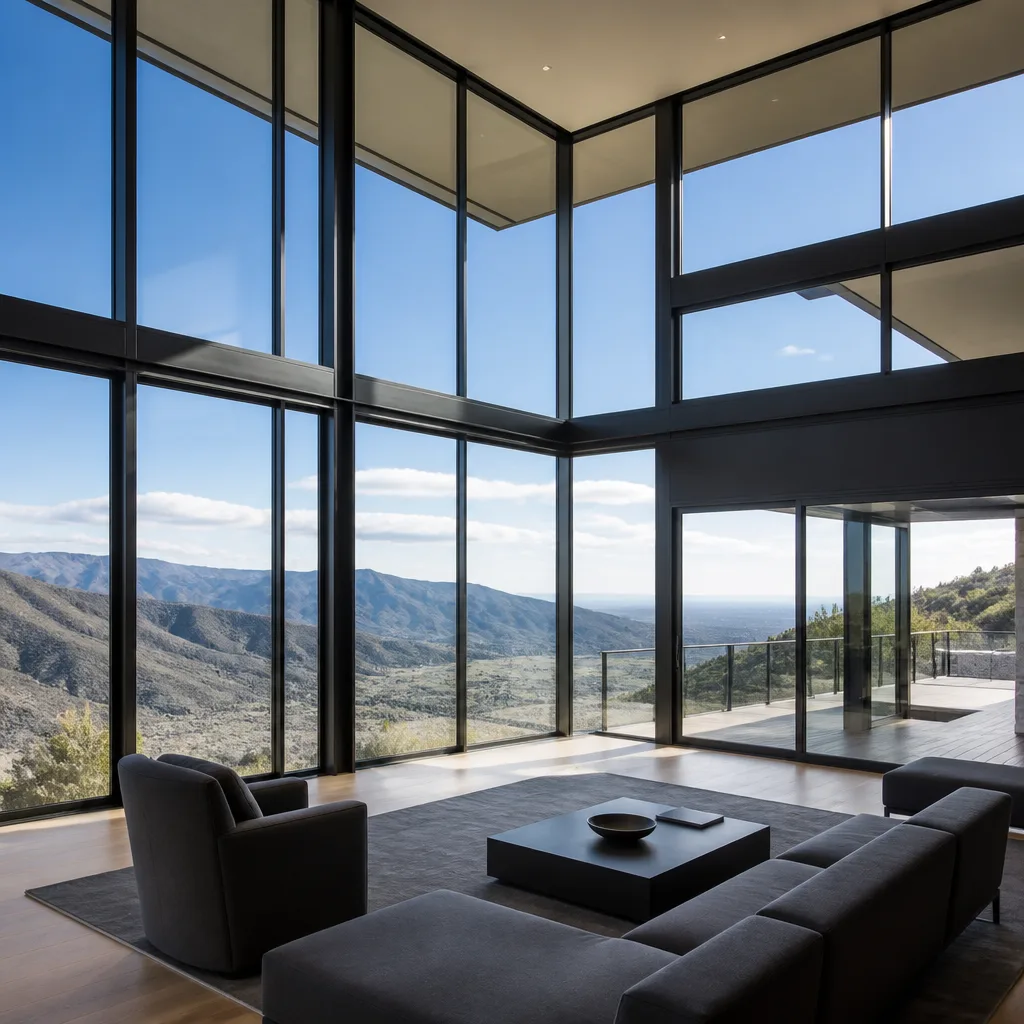
By mid-April, the statistical hurricane season is six weeks away. This is when you verify that your openings will perform as specified when a named storm arrives. We complete this same protocol on every window installation in Lighthouse Point before final sign-off, and we recommend homeowners repeat it annually.
1. Hardware Torque Verification
Multi-point locking systems on impact-rated doors and windows rely on consistent compression against weatherstrip. Torque decay is normal in salt-air environments. Using a calibrated torque screwdriver, verify that handle-set screws and hinge fasteners meet manufacturer specification. For most PGT and CGI residential hardware, this means 35-45 in-lbs on handle set screws and 50-60 in-lbs on hinge fasteners. Do not guess by feel. Over-torque strips aluminum threads; under-torque allows seal relaxation and water intrusion.
If you do not own a torque screwdriver, this is a service item. Door installation in Lighthouse Point under the Haven Standard includes torque verification at completion and at the 12-month service interval.
2. Weep Hole Clearing
Weep holes allow drainage from the sill track to the exterior. In Lighthouse Point, they clog with salt crust, insect debris, and wind-blown sand. Blocked weeps trap water in the sill, which wicks into the wall cavity.
Correct method:
- Remove the bug baffle or screen if present; replace if torn.
- Probe with a weep hole tool or wooden skewer - never a wire, which can puncture the sill dam.
- Flush with fresh water using a squeeze bottle, not a hose nozzle. High pressure drives debris deeper.
- Verify drainage by pouring 8 oz of water into the track; it should exit the weep within 30 seconds.
3. Glazing Compound and Sealant Inspection
Inspect the perimeter sealant between frame and wall, and the glazing tape or wet seal between glass and frame. Look for:
- Adhesive failure (sealant pulling away from either substrate)
- Cohesive failure (splitting within the sealant bead itself)
- Chalking or powdering on the surface
On impact-rated units, the glazing system is part of the structural rating. Disturbed sealant voids the impact certification. If you find failure, photograph it and call for evaluation. Do not apply consumer-grade caulk over a rated glazing system.
4. Shutter or Impact Protection Test
If you have operable shutters, deploy and retract every panel. Lubricate tracks with dry PTFE lubricant, not oil-based products that attract grit. If your protection is integral impact glass, verify that the impact rating label is legible and matches your wind-borne debris zone. Lighthouse Point is in the High-Velocity Hurricane Zone (HVHZ); non-HVHZ-rated products do not meet code regardless of installation quality.
5. Drainage Plane Verification
Walk the exterior during a moderate rain or with a hose simulating wind-driven spray. Water should sheet off the frame face, not pool on the sill or run behind the trim. Any water path toward the interior indicates a failure in the installation flashing sequence.
Post-Storm Inspection Protocol
After any named storm, tropical depression, or severe thunderstorm with sustained winds above 35 mph, inspect every opening in a defined sequence. Random spot-checks miss water intrusion that manifests days later as mold or frame rot.
Exterior sequence (day of event, conditions permitting):
- Frame perimeter: Check for impact debris strikes, sealant displacement, or trim separation. Photograph every anomaly with a date stamp.
- Operable sash or panel: Open and close fully. Binding or grinding indicates frame racking or debris in the track.
- Hardware function: Lock and unlock. Corrosion from wind-driven rain often appears first in the latch mechanism.
- Glass: Inspect for cracks, spidering, or delamination in laminated impact units. A bullseye in the outer lite may not penetrate the interlayer, but it compromises the unit’s structural integrity.
Interior sequence (24-72 hours post-event):
- Reveal and trim: Look for water staining, bubbling paint, or softened drywall at the interior frame perimeter.
- Sill and track: Check for standing water or damp debris in the track. In sliding doors, lift the panel slightly and inspect the roller well.
- Operate again: Humidity swelling can cause intermittent binding that was not present during the exterior check.
Document every finding with dated photos. If you file an insurance claim or warranty request six months later, the insurer will ask for evidence of prompt reporting. The Haven Standard requires that we provide a documented photo record on every visit; we recommend homeowners maintain the same discipline.
Dry-Season Salt Accumulation and Removal

From December through April, rain events are too infrequent to rinse salt deposits naturally. The salt crust that forms on Lighthouse Point window and door frames is not merely cosmetic. Sodium chloride is hygroscopic: it attracts moisture from humid air, keeping the frame surface electrolytically active even in the dry season. This accelerates galvanic corrosion at metal interfaces and degrades anodized finishes.
Rinse Frequency
Canal-front and ocean-proximate homes: every 7-10 days. Interior Lighthouse Point locations: every 14 days. Rinse after any winter front that carries sea spray on strong easterly winds.
Cleaning Agents by Frame Material
| Frame Material | Recommended Cleaner | Dilution/Notes | Avoid |
|---|---|---|---|
| Powder-coated aluminum (most impact-rated windows) | Mild dish detergent, pH neutral | 1 oz per gallon warm water; soft microfiber or natural sponge | Ammonia, abrasive pads, solvents |
| Anodized aluminum (older installations, some commercial lines) | Clean water rinse only; if needed, mild soap | Anodized layers are thin; mechanical abrasion removes them | Any abrasive, acidic, or alkaline cleaner |
| Vinyl (uPVC frames, some ECO Window Systems lines) | Mild detergent or manufacturer-recommended vinyl cleaner | Soft cloth; rinse thoroughly to prevent residue buildup | Bleach, solvents, pressure washing |
| Clad wood (interior wood, exterior aluminum or vinyl wrap) | Clean water on exterior clad; wood cleaner on interior only | Never saturate the joint between cladding and wood | Water on exposed wood end grain |
Pressure Washing: Hard Limits
Never exceed 1,200 PSI on window or door frames. Never use a zero-degree tip. Keep the nozzle 18 inches minimum from the surface. Pressure washing drives water into weep holes, behind trim, and through deteriorated sealant. It is the most common cause of preventable water damage we see in window replacement in Lighthouse Point consultations.
Drying and Final Wipe
After rinsing, dry horizontal surfaces with a clean microfiber to prevent water spot mineral accumulation. Apply a thin film of automotive paste wax to powder-coated aluminum sills and top rails every 60 days during the dry season. This creates a sacrificial barrier that salt deposits sit on, rather than bonding to.
Hardware Lubrication by Component Type
Not all hardware wants the same treatment. In Lighthouse Point’s salt-air environment, the wrong lubricant becomes a contaminant that accelerates wear.
Multi-Point Locks (Mortise and Surface-Mounted)
These mechanisms have multiple moving parts: deadbolts, hook bolts, compression cams, and the central gearbox. Use a dry PTFE spray lubricant. Apply sparingly to the moving interface, cycle the handle 10 times, then wipe excess. Oil-based lubricants attract salt and sand, forming an abrasive paste inside the mechanism. We replace more multi-point gearboxes due to over-lubrication with the wrong product than due to wear.
Sash Balances (Single-Hung, Double-Hung, and Horizontal Rollers)
Constant-force coil balances and block-and-tackle systems require no homeowner lubrication. The springs are sealed; the pulley tracks are self-lubricating polymer. Adding lubricant attracts debris and can cause irregular tension. If a balance feels rough or the sash will not stay open, the balance has reached end of life. This is a replacement item, not a maintenance item.
Pivot Hinges and Butt Hinges
Clean with a dry cloth to remove salt residue. Apply one drop of light machine oil (ISO 32 or equivalent) to the pin interface only. Wipe all exterior surfaces completely clean. Any surface film collects salt.
Sliding Door Rollers and Tracks
Vacuum the track thoroughly. Clean with mild detergent and dry completely. Apply dry PTFE spray to the track surface only, not to the rollers. The roller bearings are sealed; lubricating them from the exterior contaminates the seal. If the door rolls roughly after track cleaning, the roller bearings have failed. Replacement is the correct remedy.
Frequency in Salt Air
Pre-hurricane season: lubricate all accessible hardware in April. Post-season: inspect in December; re-lubricate only if operation has degraded. Over-lubrication is more common than under-lubrication in coastal environments.
Building Your Seasonal Documentation Record

Warranty claims and insurance disputes turn on evidence. The homeowner who can produce a dated photo record of maintenance has a substantial advantage over one who cannot. This is why the Haven Standard includes a documented photo record on every job; we extend the same expectation to homeowner maintenance.
Minimum Documentation per Opening
- Wide shot of the full opening, frame and surrounding wall
- Close-up of the glazing sealant condition
- Close-up of hardware, showing legible manufacturer marks if possible
- Sill and weep hole condition
- Interior reveal, showing trim and any prior water staining
Storage and Organization
Name files by date and location: 2025-04-15_MBR-South-Wall.jpg. Store in cloud backup with local redundancy. Keep a simple spreadsheet: date, task completed, products used, anomalies found, photos referenced.
When Documentation Protects You
Impact window manufacturers require evidence of proper maintenance for glass-seal warranty claims. Insurance adjusters ask for maintenance records when denying water intrusion claims as “gradual deterioration” rather than “sudden event.” A 2023 Florida Office of Insurance Regulation bulletin noted that documented maintenance history was a factor in 34% of disputed hurricane claim resolutions. The homeowner with the record wins.
If you engage Sightline Windows & Doors Lighthouse Point home for service, we provide the photo record as standard evidence, not as an upsell. You receive the images, the written scope, and the measured survey you keep.
Common Mistakes to Avoid
- Pressure washing frames and glass. The immediate clean look conceals water forced into weep holes, behind trim, and through deteriorated sealant. We see the damage six months later when window replacement in Lighthouse Point becomes necessary due to concealed rot.
- Using vinegar or ammonia on aluminum frames. Both are acidic enough to etch powder coat over repeated use. The dulling appears gradually; by the time you notice, the coating is compromised.
- Oil-based lubricants on multi-point locks. They attract salt and sand into the gearbox. The mechanism grinds to failure within two seasons in Lighthouse Point’s salt air.
- Ignoring weep holes until water appears inside. By then, the sill track has been holding water for weeks or months. Wall cavity damage is already established.
- Assuming impact glass eliminates all maintenance. Impact-rated units have more complex glazing systems, not simpler ones. The sealant and glazing tape are structural elements. Their failure voids the rating.
- Waiting for visible damage to inspect after storms. Water intrusion often travels laterally in wall cavities before appearing at interior surfaces. The ordered inspection protocol catches it early.
- Using the same cleaning product for all frame types. Anodized aluminum, powder coat, and vinyl have incompatible chemistries. What cleans one damages another.
When to Call a Professional
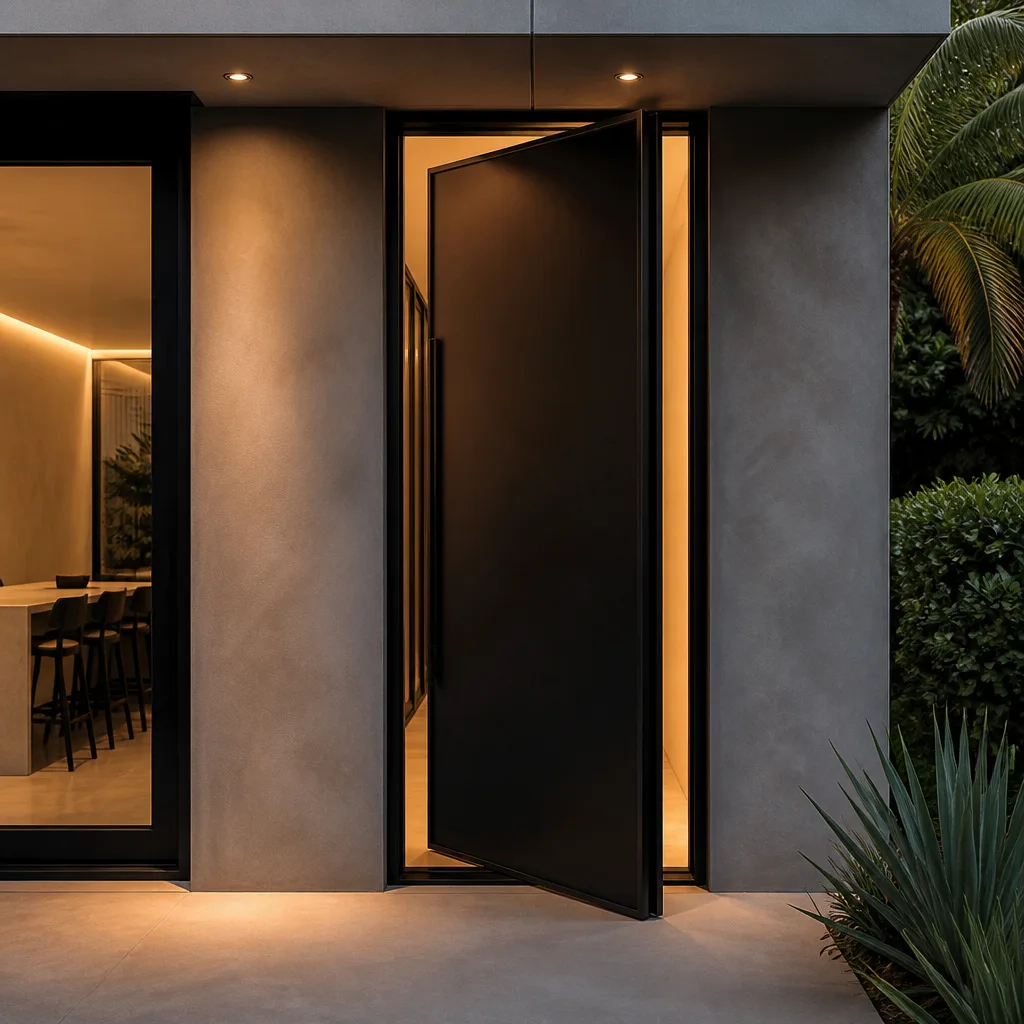
Call for evaluation when you find adhesive or cohesive sealant failure, glass delamination, frame racking that causes binding, water staining at interior reveals, or hardware failure that affects security or weather sealing. Do not attempt to re-torque impact-rated hardware without manufacturer torque specifications. Do not apply consumer sealant over rated glazing systems.
Sightline Windows & Doors Lighthouse Point offers free estimates in Lighthouse Point. Our measured survey produces a written scope and price before any work starts; the quote and the survey are the same document under Haven Clause 1. Call (754) 600-8907 to schedule.
Frequently Asked Questions
Professional seasonal maintenance for a typical 2,500-square-foot Lighthouse Point home runs $400-$800 annually, depending on opening count and salt exposure severity. This covers torque verification, weep hole service, hardware lubrication, and documentation. DIY maintenance costs $80-$150 in materials if you own basic tools. Call (754) 600-8907 for an exact quote on your home; estimates are free.
Every 7-10 days for canal-front and ocean-proximate homes; every 14 days for interior locations. Increase frequency after easterly winter fronts that carry sea spray. The dry season requires more diligence because natural rain rinsing is absent.
No. Under Haven Clause 1, the written price before work starts is the final price. The measured survey and the quote are the same document. We do not use change orders for items visible at inspection.
Yes. Impact-rated units have laminated glass and structural glazing systems that require intact sealant to maintain their rating. The impact certification assumes proper installation and maintenance. Neglected sealant failure voids the rating and may affect insurance coverage.
Powder-coated aluminum: mild pH-neutral detergent. Anodized aluminum: water rinse only, mild soap if necessary. Vinyl: mild detergent or manufacturer-recommended vinyl cleaner. Clad wood: water on exterior clad surface only, wood cleaner on interior wood. Never use ammonia, vinegar, abrasive pads, or solvents without verifying compatibility with your specific frame finish.
Look for the HVHZ (High-Velocity Hurricane Zone) label on the frame or glass. Lighthouse Point requires HVHZ-rated products. The label includes the design pressure rating and the approved product number. If you cannot locate the label or if your home was built before 2002 and never updated, schedule an evaluation. We verify ratings as part of every window installation in Lighthouse Point.
The Bottom Line
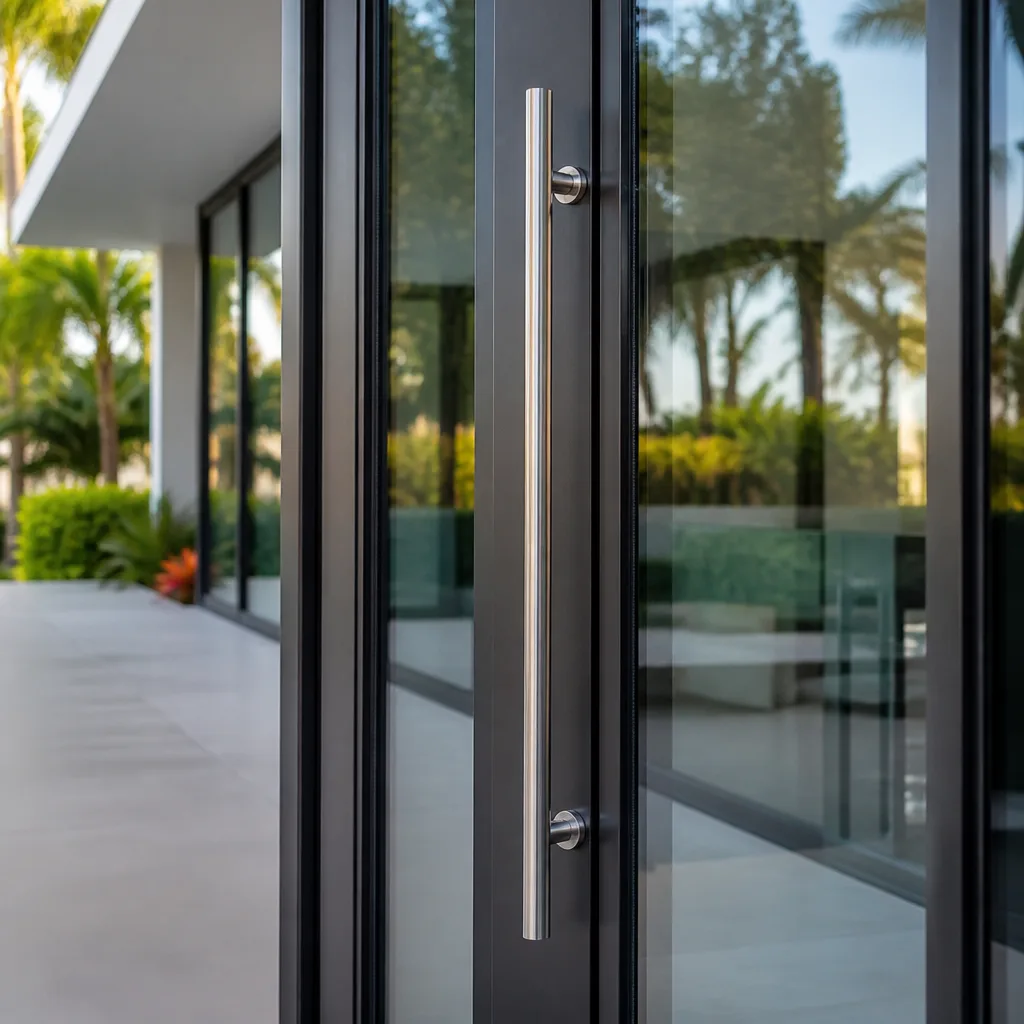
Lighthouse Point windows and doors face two distinct stress periods, not four seasons. The April-May pre-hurricane checklist prevents storm failure. The December-April salt management routine prevents cumulative corrosion. Between these periods, documentation protects your warranty and insurance position. Execute the tasks in this guide with the correct materials, avoid pressure washing and incompatible chemicals, and maintain a dated photo record. The cost of prevention is modest; the cost of deferred maintenance is frame replacement, wall repair, and disputed claims.
For homeowners who prefer professional execution, Sightline Windows & Doors Lighthouse Point provides seasonal maintenance under the same Haven Standard that governs our installations: written price first, verified crew, documented evidence, no surprises. Call (754) 600-8907 to schedule your free estimate.
Written by Sonia Raman, Owner at Sightline Windows & Doors Lighthouse Point, serving Lighthouse Point since 2012.