
Last updated September 24, 2026
Free in-home measure and quote - PGT, CGI and CWS impact lines compared on your actual openings, style by style
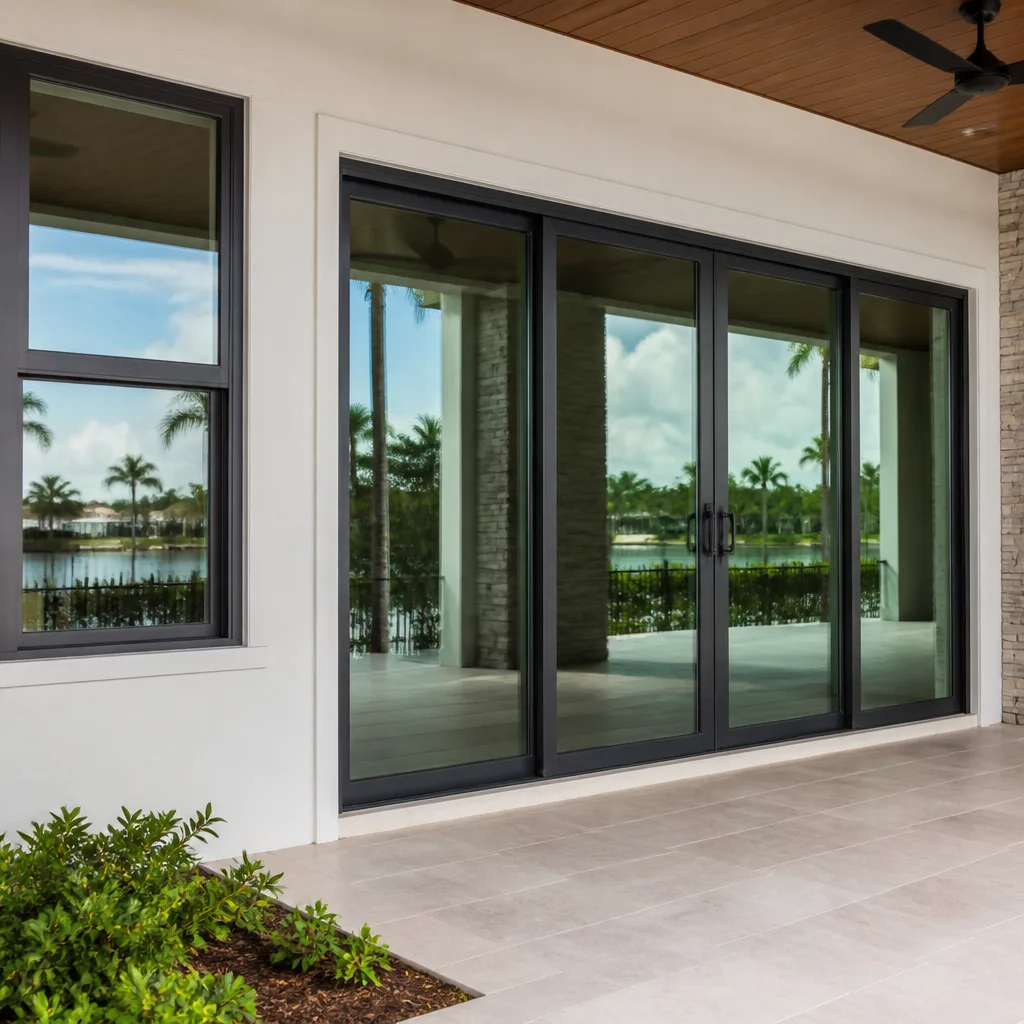
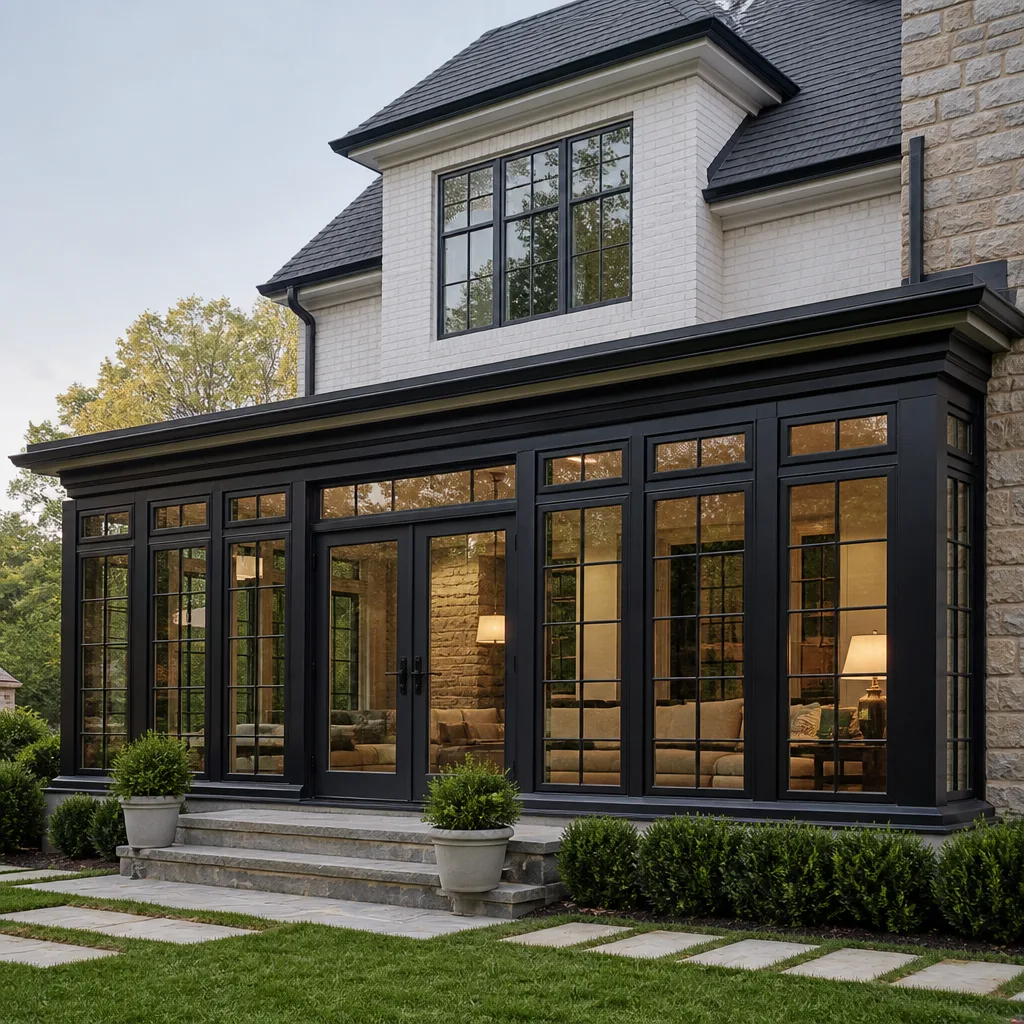
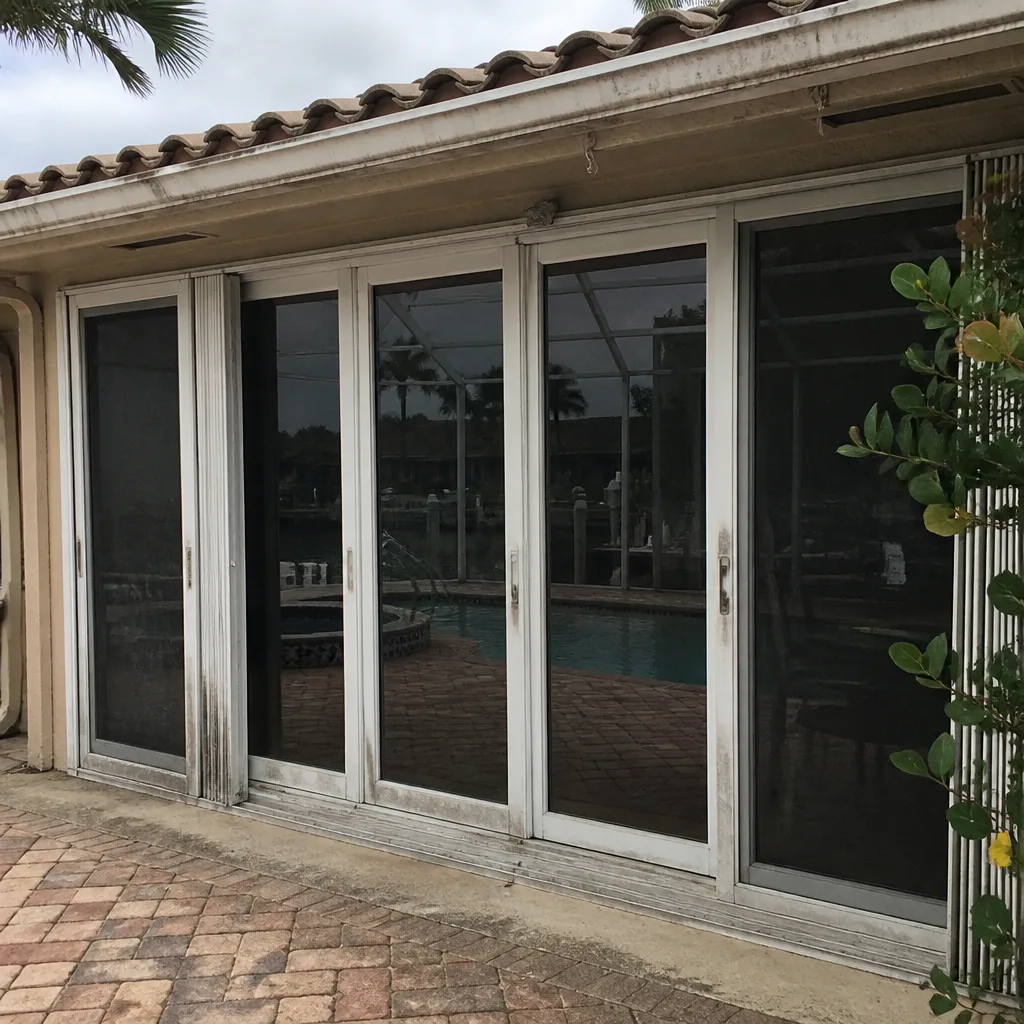 Before
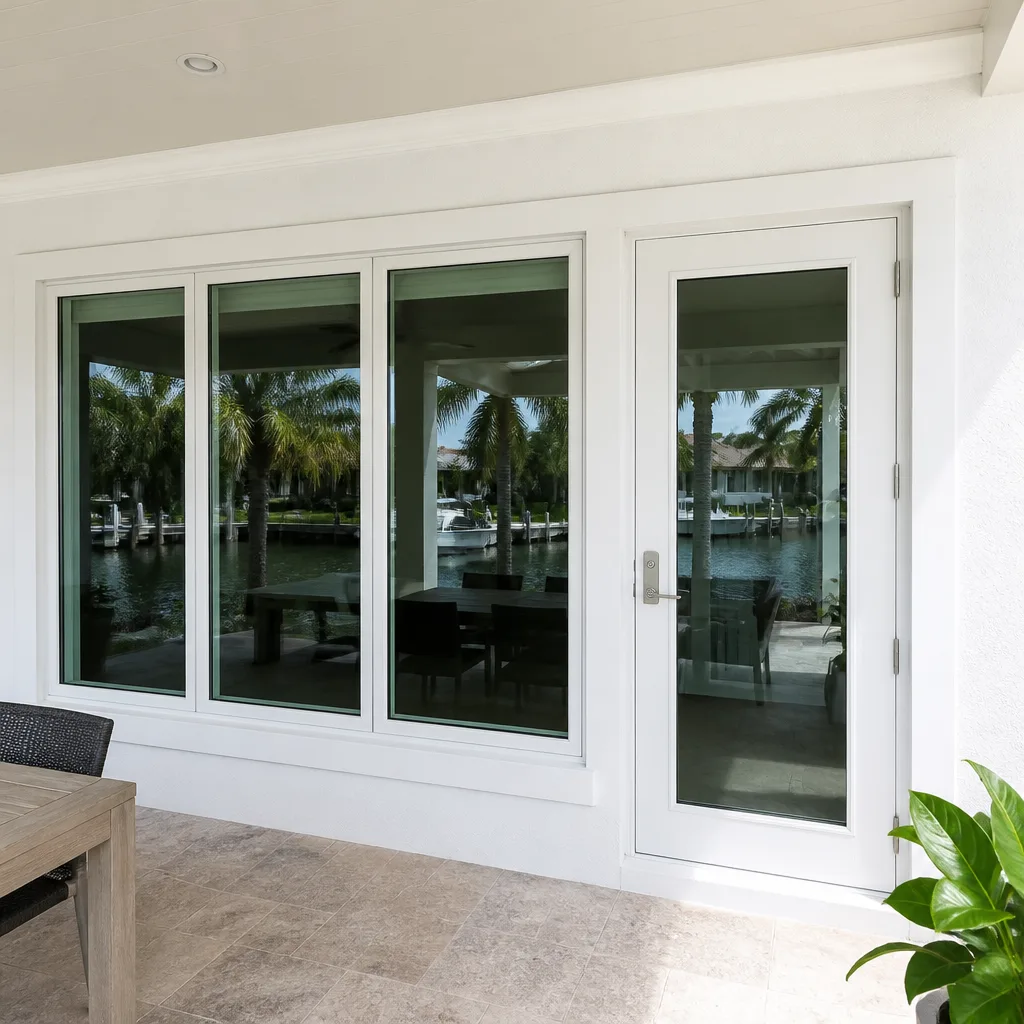 After
After Before
 After
After Before
 After
AfterHow to Hire a Windows & Doors Contractor in Lighthouse Point: A Step-by-Step Guide
In Florida, a window contractor can be fully licensed, carry all required insurance, hold five-star reviews, and still write a contract that legally allows a 22% price increase after demo - and most homeowners sign it without noticing. Lighthouse Point sits in Broward County’s High Velocity Hurricane Zone (HVHZ), where every window and door installation triggers permit requirements that most vetting guides never mention. This guide - along with our more guides & resources - walks you through the five contract clauses that separate accountable installers from ones who profit from ambiguity, plus the exact license types and permit verification steps that protect your investment in a market where the median home value makes window replacement a five-figure decision.
Quick Answer
To hire a windows and doors contractor in Lighthouse Point, verify they hold a CRC (Certified Residential Contractor) or CGC (Certified General Contractor) license for structural modifications, or a specialty glazing contractor license for like-for-like replacement. Before signing, confirm five contract terms in writing: who pulls the permit, who is the permit holder of record, what triggers a change order, who pays for non-conforming rough openings, and what photo-documentation protocol the crew follows. Then verify the permit exists in your name in the Broward County portal before work begins.
Table of Contents
- License Types That Actually Matter in Broward County
- Five Contract Clauses That Protect You from Cost Shifting
- Why Your Quote and Final Invoice Should Be the Same Document
- The Permit-Pull Test: Verifying Your Contractor in the Broward County Portal
- Impact Window Red Flags in HVHZ
- A 7-Step Vetting Process for Lighthouse Point Homeowners
- Common Mistakes to Avoid
- When to Call a Professional
- Frequently Asked Questions
- The Bottom Line
 Before
 After
AfterLicense Types That Actually Matter in Broward County
Most contractor-vetting guides tell you to “check the license” without explaining that Florida issues multiple license types, and the wrong one means your installer cannot legally perform the work they are bidding. In Lighthouse Point, this distinction determines whether your permit gets rejected at the counter.
Here is what each license allows:
- CRC (Certified Residential Contractor): Can perform structural modifications to residential openings, including enlarging window rough openings, converting sliders to picture windows, and installing new door headers. Required when the project involves load-bearing walls or changes the structural envelope.
- CGC (Certified General Contractor): Can perform all CRC work plus commercial and multi-family projects. Most window-only companies do not need this, but some hold it for broader capability.
- Specialty Glazing Contractor: Can perform like-for-like window and door replacement only - same size opening, no structural modification. Cannot legally enlarge an opening or install a new door where none existed. Many “window companies” hold only this license and subcontract structural work without disclosing it.
- Registered (County-Level) Contractor: Licensed only for Broward County, not statewide. Valid for local work, but verify the registration is current and in good standing.
The critical question for your project: Are you replacing existing windows in existing openings, or are you changing the opening size, location, or structure?
In our experience across Lighthouse Point neighborhoods from the Coral Ridge Country Club area to the waterfront homes along the Intracoastal, roughly 40% of “replacement” projects involve at least one structural modification that a specialty glazing contractor cannot legally self-perform. The homeowner rarely knows this until the permit gets flagged.
Verify any license at the Florida Department of Business and Professional Regulation (DBPR) website. Enter the contractor’s name or license number. Check three things: status (Active), current insurance/bond on file, and any disciplinary history. Screenshot the result. If the contractor cannot produce a license number before providing a quote, stop there.
For window installation in Lighthouse Point that involves structural changes, we hold the appropriate licensing to pull permits directly and remain the permit holder of record throughout the project.
Five Contract Clauses That Protect You from Cost Shifting
This is where most homeowners lose money they never budgeted for. Florida law permits contractors to include change-order provisions that shift virtually all risk to the owner after demolition begins. By then, you are committed. These five clauses, read before signing, separate accountable installers from ones who structure contracts to profit from what they discover after you are locked in.
Clause 1: Who Pulls the Permit
The contract must state explicitly that the contractor pulls all required permits. Not “assists with permitting.” Not “owner responsible for permit fees.” The contractor pulls the permit, pays the fees, and schedules inspections. If the contract is silent on this, or assigns permit responsibility to you, the contractor is likely avoiding liability for code compliance or lacks the license to pull it themselves.
In Broward County, permit fees for window replacement typically run $150-$400 depending on opening count and whether HVHZ product approval documentation is required. A contractor who asks you to pay the county directly is not necessarily wrong, but a contractor who asks you to apply for the permit in your name as “owner-builder” is exposing you to significant liability.
Clause 2: Who Is the Permit Holder of Record
This is different from who pulls it. The permit holder of record is the party legally responsible for code-compliant completion. If the permit lists you as the holder, you are the responsible party if the work fails inspection. The contract should state the contractor will be named as the permit holder of record, with you listed only as the property owner.
We have reviewed competitor contracts in Lighthouse Point where the fine print designates the homeowner as permit holder while the contractor performs the work. This arrangement benefits the contractor if inspections fail or if the permit expires before completion.
Clause 3: What Triggers a Change Order
Florida contracts commonly include “unforeseen conditions” clauses that allow price increases for discoveries after work begins. The problem: “unforeseen” is rarely defined. A responsible contract lists specific, narrow triggers:
- Active termite damage or rot requiring structural repair (with photo documentation required)
- Non-conforming existing construction that violates current code and must be brought to standard
- Owner-requested scope changes
What should not trigger a change order: “difficult installation conditions,” “tighter fit than expected,” “additional labor hours,” or any language allowing price adjustment for the contractor’s mismeasurement. Haven Clause 1 - Have it in writing - means the measured survey and the quote are the same document. If the opening measures differently than the contractor anticipated, that is their measurement error, not your cost.
Clause 4: Who Pays for Non-Conforming Rough Openings
In older Lighthouse Point homes, particularly those built in the 1960s and 1970s near the original Coral Ridge development, we regularly find rough openings that are out of square, oversized from previous retrofits, or framed with materials that do not meet current HVHZ requirements. The contract must state who bears the cost of bringing these openings into compliance.
Avoid contracts that state “existing conditions to be verified in field” without assigning cost responsibility. This is the clause that enables the 22% post-demo price increase. A fixed-price contract assigns this risk to the contractor; a cost-plus or “estimate” contract assigns it to you.
Clause 5: What Photo-Documentation Protocol the Crew Follows
The contract should specify what visual record is created, when it is shared, and who retains it. Minimum standard: dated photos of each opening before demolition, during rough opening inspection, after installation, and after final inspection. This documentation protects both parties if leaks, fit issues, or code questions arise later.
At Sightline, Haven Clause 4 - Evidence on every job - means the photo record is standard, not an upsell. The customer receives the documented photo record with their final invoice. We have used this documentation to resolve disputes with manufacturers where product performance questions arose years after installation.
Why Your Quote and Final Invoice Should Be the Same Document
This principle sounds obvious until you understand how most window contractors structure their sales process. The typical flow: a salesperson measures your openings, returns to the office, generates a quote from software, and you sign. The installation crew then measures again on installation day, and any discrepancy between the sales measurement and the field measurement becomes a change order or a product reorder - with delays and cost shifts that benefit the contractor’s bottom line.
The alternative, which we have operated under since 2012: the measured survey is performed by the same person who will supervise installation, using the same documentation that generates the quote. The customer receives the measured survey to keep. The quote references each opening by the survey’s room labels and dimensions. The final invoice references the same document. If the numbers differ, the contractor made the error.
This matters in Lighthouse Point specifically because of the product mix. Homes in the yacht club area and along the Intracoastal frequently require impact-rated products with Miami-Dade Notice of Acceptance (NOA) documentation. These products are manufactured to specification, not stocked in a warehouse. A measurement error of even 1/8 inch can require a complete reorder with 8-12 week lead times. When the quote and the invoice are the same document, the contractor has every incentive to measure correctly the first time.
How to verify this before hiring:
- Ask to see a sample measured survey from a completed job (with customer information redacted). Does it show each opening with dimensions, product specification, and photo reference numbers?
- Ask whether the quote references the survey document number. It should.
- Ask what happens if the installed product does not fit the opening. If the answer involves a change order or “we’ll work it out,” the quote and invoice are not the same document.
- Ask whether the permit application submitted to Broward County matches the quoted scope exactly. We cover how to verify this in the next section.
For window replacement in Lighthouse Point, this documentation discipline prevents the delays that commonly extend projects from two weeks to three months.
The Permit-Pull Test: Verifying Your Contractor in the Broward County Portal

This is the step almost no homeowner takes, and it is the most reliable fraud prevention tool available to you. After your contractor says they have “pulled the permit,” verify it yourself. The process takes under five minutes and has caught misrepresentations we have seen in the Lighthouse Point market.
Step-by-Step Verification
- Navigate to the Broward County Permits and Licenses page.
- Select “Search Permits” or use the Broward County Permit Application Portal.
- Search by your property address. The permit should appear within 24-48 hours of submission.
- Verify the permit holder name matches your contractor’s licensed business name, not your name.
- Verify the scope of work description matches your contract: “Window replacement - 12 openings, impact-rated” not vague language like “residential repair.”
- Verify the contractor’s license number appears in the application.
- Check the permit status: “Issued” means approved and active; “Pending” means under review; “Expired” means work cannot legally proceed.
Red flags that should stop the project:
- The permit is in your name as “owner-builder” while the contractor performs the work. This exposes you to liability if the work fails inspection or causes damage.
- The permit scope is narrower than your contract. If your contract includes 15 openings and the permit lists 10, the contractor may be performing 5 openings unpermitted.
- The permit lists a different contractor name than your contract. This often indicates illegal subcontracting or license borrowing.
- No permit appears after the contractor claims to have pulled it. Some contractors begin demo while a permit is “in process” or never file at all.
In Lighthouse Point, where building department scrutiny is consistent and neighboring cities like Pompano Beach have different requirements, permit accuracy matters for resale value. A future buyer’s inspector will verify permits for all visible window and door work. Missing or mismatched permits become negotiating leverage against your sale price.
We pull permits in our licensed name for every project, and we provide the permit number to the homeowner before scheduling installation. This is standard under the Haven Standard, not a courtesy.
Impact Window Red Flags in HVHZ
Lighthouse Point lies within Florida’s High Velocity Hurricane Zone, which triggers specific product approval requirements that do not apply in inland markets. This creates opportunities for misleading sales practices that technically legal products exploit.
“Miami-Dade Tested” vs. Miami-Dade NOA
A product that is “tested to Miami-Dade standards” or “meets Miami-Dade requirements” is not the same as a product with a current Notice of Acceptance (NOA) from the Miami-Dade County Product Control Division. The NOA is a specific document number that certifies the exact product configuration - frame, glazing, anchoring method, and installation detail - for use in HVHZ. Without a current NOA, the product cannot legally be installed in Lighthouse Point, regardless of its performance in testing.
How to verify:
- Ask for the NOA number for the specific product being quoted. It should match the manufacturer, series, and configuration exactly.
- Verify the NOA at the Miami-Dade Product Control database. Enter the NOA number and confirm it is active (not expired or superseded).
- Confirm the NOA covers the installation method your contractor plans to use. Some NOAs specify only certain anchoring patterns or sealant types.
Product Line Transparency
Some contractors quote “impact windows” without specifying the manufacturer or series, then substitute a lower-performing product at installation. The contract should specify:
- Manufacturer name (e.g., PGT, CGI, CWS, ViewLux)
- Product series and model number
- Design pressure rating (DP rating) for each opening
- Glazing specification: laminated glass thickness, interlayer type, any Low-E coating
- Frame material and finish color
We specify products by performance tier and price range from our eight verified manufacturer lines - PGT, CGI, CWS, ES Windows, ECO Window Systems, Mr-Glass, Therma-Tru, and ViewLux - not by margin. The measured survey notes the design pressure requirement for each opening based on its height, exposure, and proximity to the coastline. A first-floor window facing the Intracoastal requires a higher DP rating than a protected second-floor opening.
The “Upgraded Glass” Upsell
We have reviewed competitor proposals in Lighthouse Point where the base quote included non-impact windows with an “upgrade” to impact-rated for an additional $8,000-$12,000. In HVHZ, impact-rated is not an upgrade - it is the legal minimum. A proposal that presents impact rating as optional is either ignorant of code or deliberately misleading. Verify with the Florida Building Code or Broward County building department if your contractor suggests non-impact products are acceptable.
A 7-Step Vetting Process for Lighthouse Point Homeowners
This process integrates the contract, license, and product verification steps into a single workflow. Each step builds on the previous one. Skipping steps is how homeowners end up with incomplete permits, unmatched products, or invoices that do not match quotes.
- Verify license and insurance at DBPR. Screenshot the active status. Confirm workers’ compensation coverage if the contractor has employees.
- Request a sample measured survey and final invoice from a completed job. Redact customer information, but verify the documentation standard. No sample available suggests no standard exists.
- Obtain the contract 48 hours before signing. Read all five clauses identified above. Mark up questions. A contractor who pressures same-day signature is not following Haven Clause 1.
- Verify the quoted product’s Miami-Dade NOA. Match the NOA to the exact product configuration in your quote.
- Confirm permit pull timeline and verify in Broward County portal. Do not allow demolition before permit issuance.
- Schedule a pre-installation walkthrough with the assigned crew lead. Haven Clause 3 - Verified Crews - means you should know who will be on-site. Ask for license numbers if state law requires them.
- Confirm photo-documentation protocol and delivery timeline. The documented photo record should be available at final walkthrough, not “upon request” weeks later.
For door installation in Lighthouse Point, this process is particularly important because sliding and patio doors involve larger rough openings, more complex flashing details, and higher material costs that amplify any measurement or specification error.
Common Mistakes to Avoid
- Accepting a “verbal ballpark” as a quote. In Florida, a verbal estimate has no legal standing. The contractor can increase the price, and you have no recourse. Insist on a written price before any work starts - this is Haven Clause 1.
- Assuming a specialty glazing contractor can handle structural modifications. We have seen Lighthouse Point homeowners pay for completed work that failed inspection because the contractor lacked CRC or CGC licensing for header modifications. The permit was in the owner’s name, making them responsible for the violation.
- Not verifying the permit in the Broward County portal. Contractors occasionally claim permits are “pending” for weeks while working illegally. The portal shows real-time status.
- Comparing quotes with different scopes. One contractor quotes PGT WinGuard with a specific DP rating; another quotes “PGT or equivalent” with no rating specified. These are not comparable. Demand line-item specification.
- Ignoring the photo-documentation clause. Without dated installation photos, disputes about water intrusion, fit, or finish become he-said-she-said arguments that small claims courts struggle to resolve.
- Paying large deposits before permit issuance. Florida law limits deposits on home improvement contracts, but more importantly, a contractor who has your money before pulling the permit has reduced incentive to move quickly through the approval process.
- Not asking about the crew who will actually install. Some Lighthouse Point contractors use sales teams who never return, then send subcontracted crews with no direct accountability. Ask: “Will the person who measured my openings supervise the installation?”
When to Call a Professional
Call a licensed windows and doors contractor when your project involves any of the following: impact-rated product replacement in HVHZ, structural opening modification, conversion from single-hung to sliding or picture windows, new door installation where none existed, or any work requiring Broward County permitting. These are not DIY projects in Florida’s climate; improper installation voids manufacturer warranties and creates liability exposure that homeowners insurance may not cover.
If you have an existing written estimate from another contractor, Sightline Windows & Doors Lighthouse Point offers a free second opinion - we will review their scope, specifications, and contract terms at no charge. Our measured survey produces a written price before any work starts, and our 365-Day Done Right Promise covers every installation under the Haven Standard. Call (754) 600-8907 to schedule your free estimate in Lighthouse Point.
Frequently Asked Questions
Window replacement in Lighthouse Point typically ranges from $650 to $1,400 per opening for impact-rated vinyl or aluminum products, with fiberglass and custom geometric shapes running higher; see our Windows & Doors Cost Breakdown: The Lighthouse Point Homeowner’s Reference for 2026 for detailed pricing factors. The per-opening cost includes product, installation, permit, and disposal; whole-home projects of 15-25 openings commonly total $12,000-$28,000 depending on product tier and opening complexity. Call (754) 600-8907 for a written line-item quote based on your measured survey - estimates are free.
For like-for-like replacement, a specialty glazing contractor license is sufficient. For any structural modification - enlarging openings, installing new doors, modifying headers - your contractor must hold a CRC or CGC license. Verify at the Florida DBPR website before signing. A contractor who cannot produce a license number, or who asks you to pull the permit as owner-builder, is structuring the project to avoid accountability.
Request the current Miami-Dade Notice of Acceptance (NOA) number for the exact product and configuration being installed, then verify it in the Miami-Dade Product Control database. “Miami-Dade tested” or “meets Miami-Dade standards” language without a specific NOA number does not certify HVHZ compliance. In Lighthouse Point, non-compliant installation can result in failed inspection, insurance denial, and resale complications.
Under a fixed-price contract with defined change-order triggers, the price should not change unless the contract specifically identifies a discovered condition - documented termite damage, code-mandated structural repair, or owner-requested scope change. At Sightline, the measured survey and the written quote are the same document; we have completed 18,000+ openings since 2012 without post-demo price increases for measurement error. Call (754) 600-8907 to review our fixed-price terms.
Yes. We pull all required permits in our licensed name, remain the permit holder of record, and provide the permit number to the homeowner before scheduling installation. We also verify permit issuance in the Broward County portal and schedule all required inspections. This is standard under the Haven Standard, not an additional service.
Most residential window replacement projects of 10-20 openings are completed in 2-4 working days after permit issuance, assuming product is in stock or has arrived from the manufacturer. Custom or geometric shapes, and products requiring current Miami-Dade NOA documentation, may extend lead times by 6-12 weeks. We provide a written timeline with the quote, including permit approval and product delivery milestones, so you can verify progress against documented commitments.
The Bottom Line
Hiring a windows and doors contractor in Lighthouse Point requires more than checking reviews and collecting quotes. The specific risks in this market - HVHZ product requirements, Broward County permit procedures, and contract clauses that legally permit post-signing price increases - demand a verification process that most generic guides omit. Verify the license type matches your project scope. Read the five contract clauses that assign risk. Confirm the permit exists in the county portal before work begins. Demand product documentation that matches your quote exactly. And insist on a written price that is the same document as your final invoice, backed by a photo record you receive at completion. These steps separate contractors who operate under documented standards from those who profit from the ambiguity they create.
Written by Sonia Raman, Owner at Sightline Windows & Doors Lighthouse Point, serving Lighthouse Point since 2012.