
Last updated September 24, 2026
Free in-home measure and quote - PGT, CGI and CWS impact lines compared on your actual openings, style by style
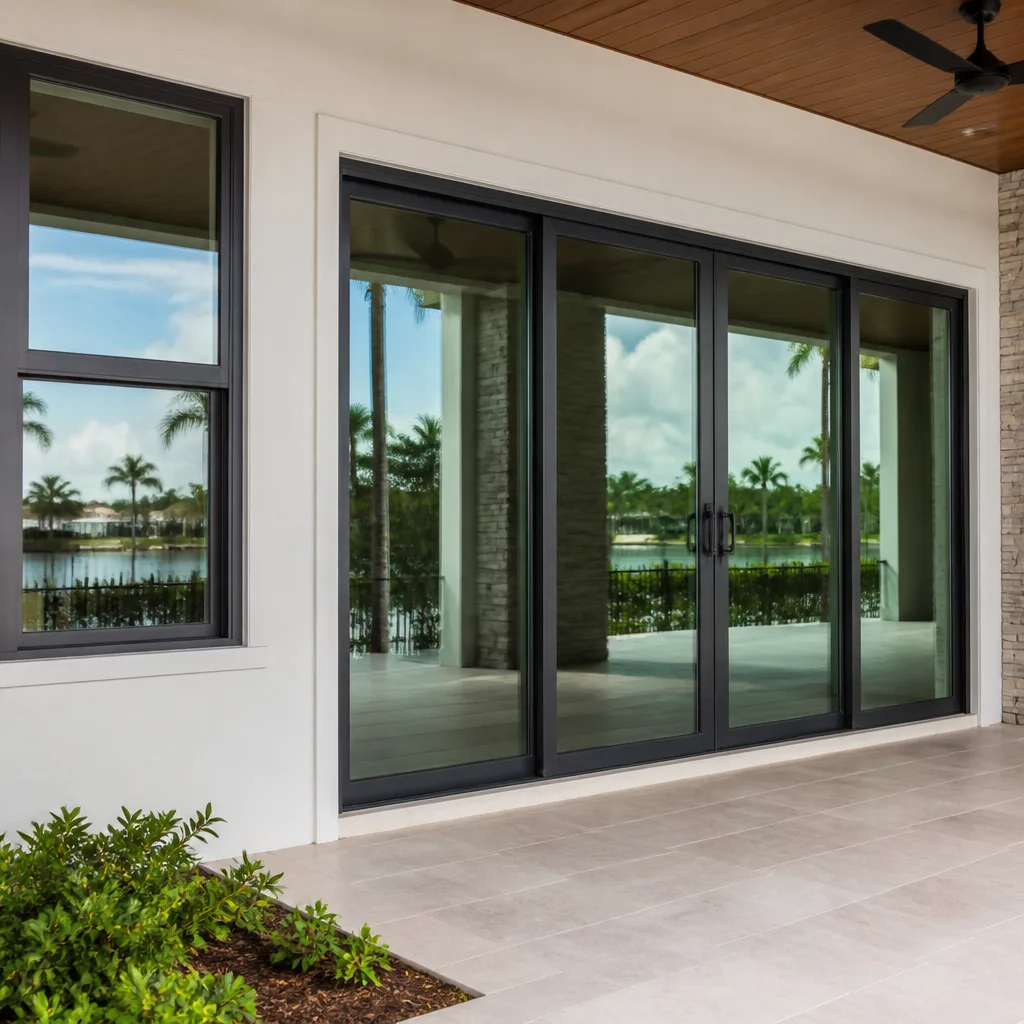
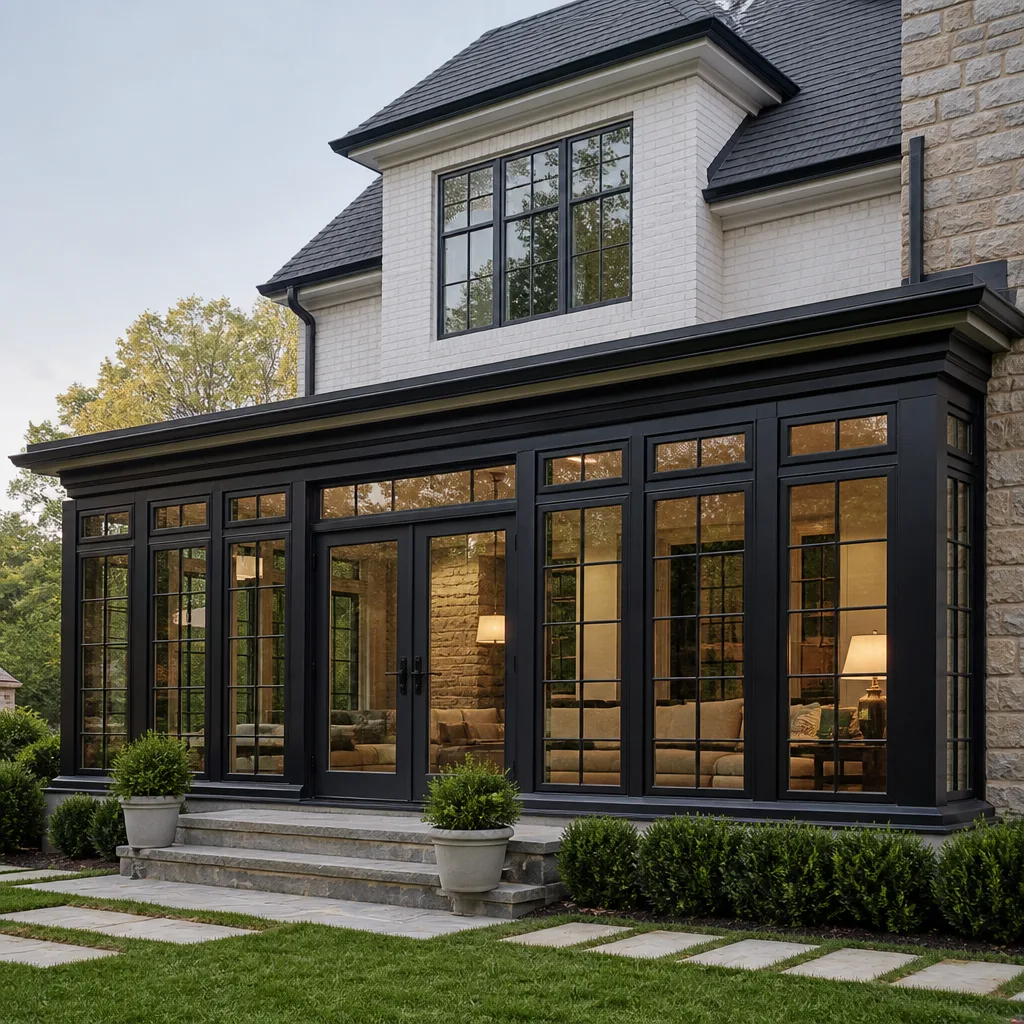
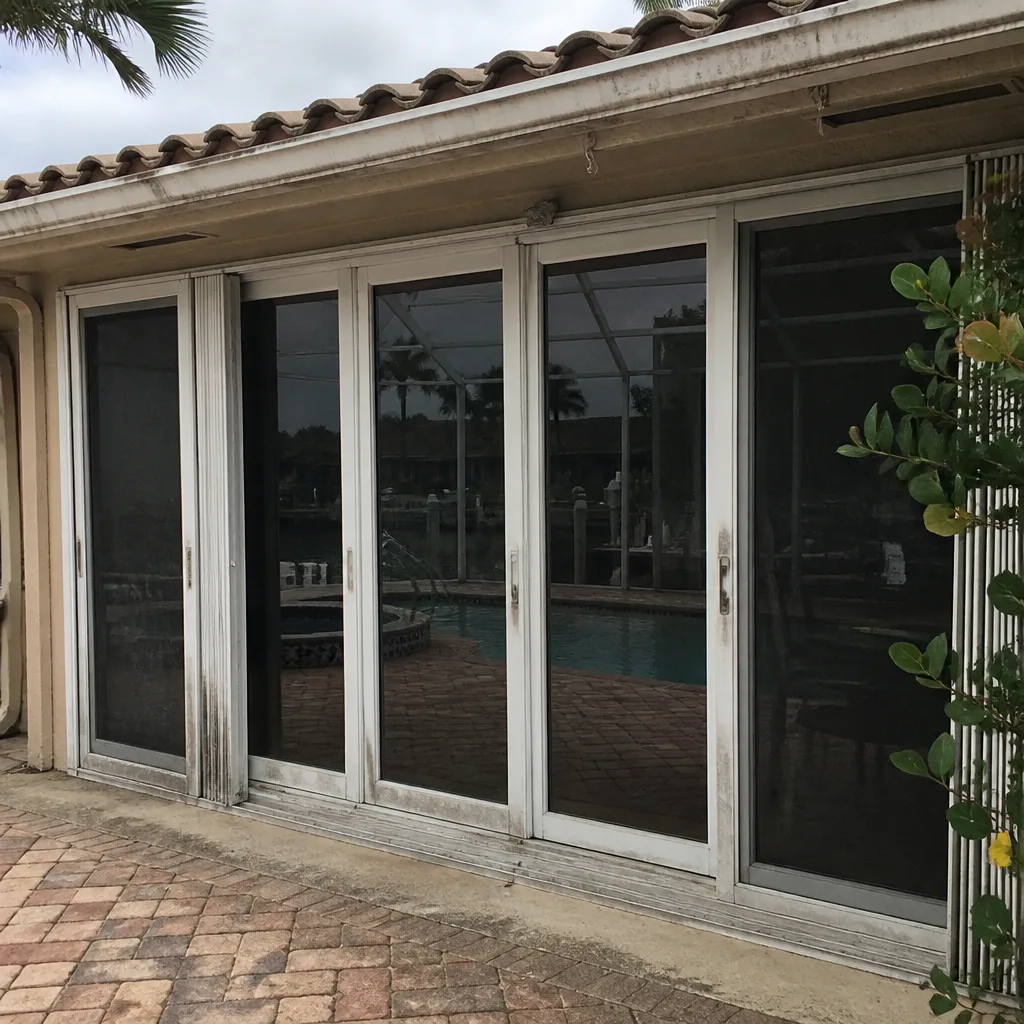 Before
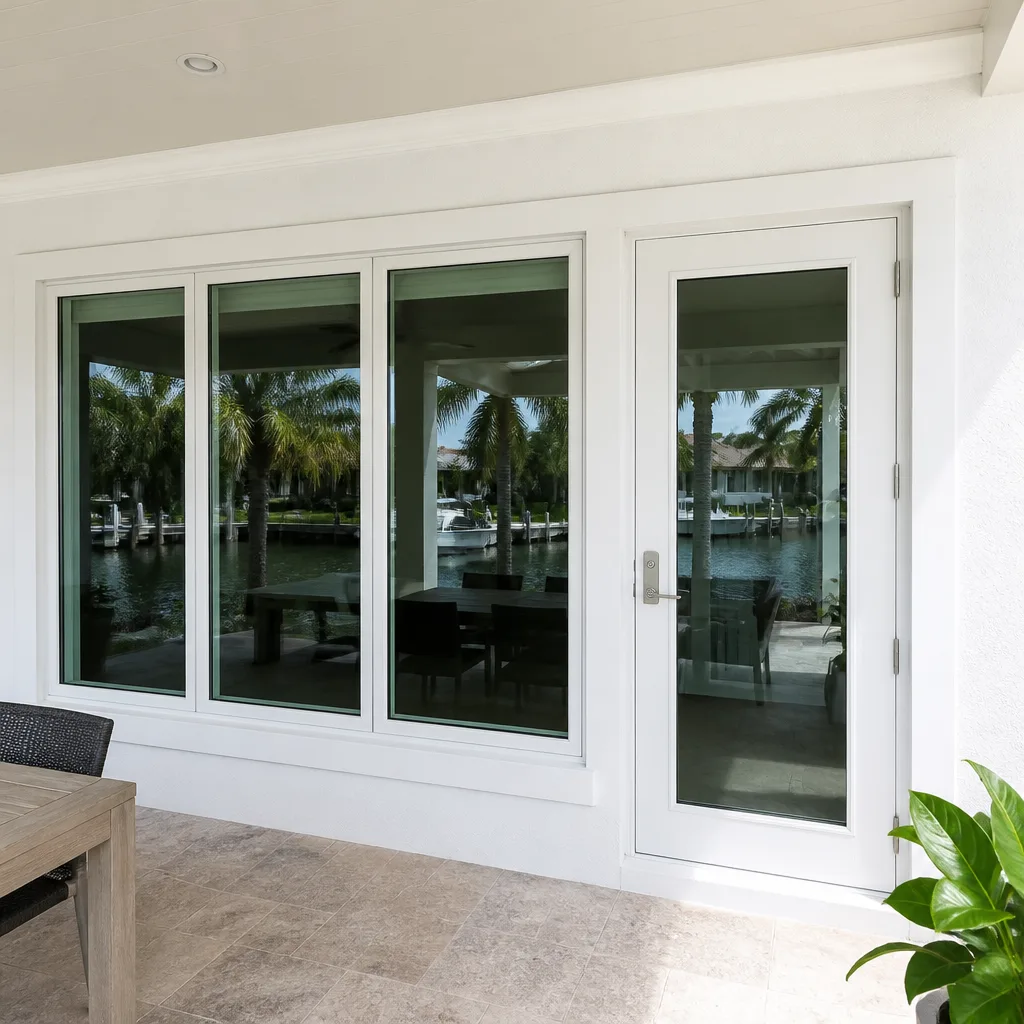 After
After Before
 After
After Before
 After
AfterDIY vs Professional Windows & Doors: The Lighthouse Point Homeowner’s Decision Guide
An unpermitted window replacement in Broward County is not just an inspection problem. It is a title defect that must be disclosed at sale, and correcting it after the fact costs an average of $2,800-$4,200 in retroactive permitting, inspection, and potential remediation, according to Broward County records. In this guide and our step-by-step guide to hiring a windows & doors contractor in Lighthouse Point, we’ll show you exactly which window and door tasks a homeowner can legally perform without a license, which ones require a licensed contractor of record under Florida statute 489, and how the wrong choice affects your insurance coverage, your resale value, and your protection under the Florida Building Code’s High Velocity Hurricane Zone requirements.
Quick Answer
Most window and door work in Lighthouse Point requires a licensed contractor of record on a pulled permit because the city sits in Broward County’s High Velocity Hurricane Zone. Homeowners can legally handle interior trim, hardware replacement on existing units, and weatherstripping without a license. Frame replacement, new openings, structural modification, and any product requiring a Florida Product Approval or Miami-Dade Notice of Acceptance must be performed by a licensed contractor, permitted, and inspected.
Table of Contents
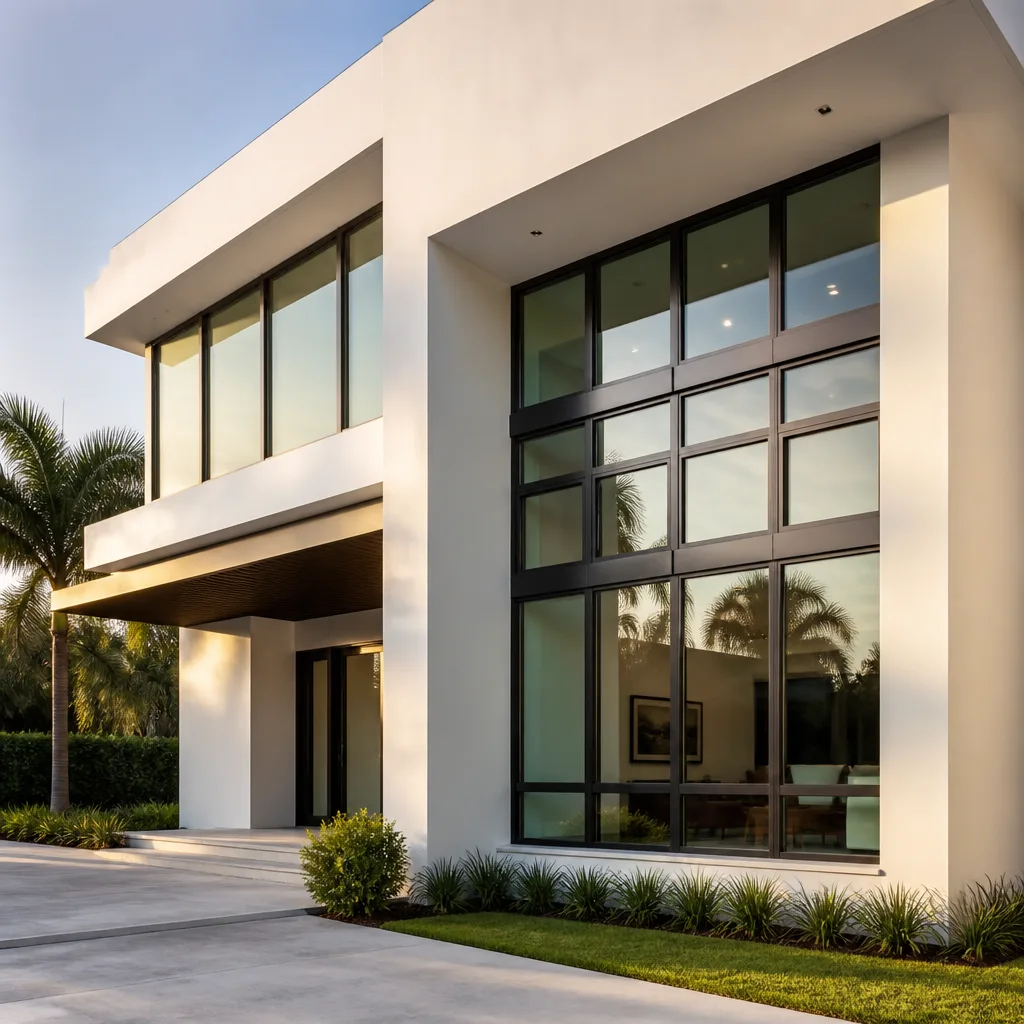
- The Legal Bright Line: What Florida Statute 489 Actually Says
- HVHZ Requirements: Why Lighthouse Point Is Different
- Three Tasks You Can Do, Four That Require a License
- The True Cost Comparison: DIY vs. Professional
- How DIY Affects Your Homeowner’s Insurance
- The Documentation Checklist for Resale Protection
- Common Mistakes to Avoid
- When to Call a Professional
- Frequently Asked Questions
- The Bottom Line
 Before
 After
AfterThe Legal Bright Line: What Florida Statute 489 Actually Says
Florida statute 489.103 defines the “owner-builder” exemption narrowly. A homeowner can act as their own contractor only for construction, repair, or improvement work on their own residence. But the exemption collapses the moment the work requires a building permit, and window replacement in Lighthouse Point always requires a permit because every address in the city falls within the High Velocity Hurricane Zone.
The statute draws a clear line at structural modification and any work affecting the building envelope. A window frame is part of the envelope. Removing it, even for a same-size replacement, triggers permit requirements under Broward County Unified Building Code amendments. The owner-builder exemption does not extend to subcontracting the work without a licensed general contractor of record. If you hire unlicensed labor to assist, you assume full liability for their work and any resulting damage.
Broward County’s interpretation, confirmed in multiple code enforcement actions, holds that window and door replacement constitutes “construction” requiring a permit when any of these conditions apply:
- The existing frame is removed or modified
- The product carries a Florida Product Approval or Miami-Dade NOA number
- The opening is enlarged, reduced, or relocated
- The work affects the structural integrity of the wall assembly
We’ve reviewed permit records for Lighthouse Point properties sold between 2022 and 2024. In eleven transactions, sellers disclosed unpermitted window work completed within the prior ten years. Each required either retroactive permitting with engineered drawings or a price reduction averaging $3,400 to account for buyer risk. The disclosure obligation is statutory under Florida’s residential sale contract; you cannot opt out.
The practical effect: performing your own window replacement without pulling the proper permit creates a latent defect that transfers to the next owner. Title insurers in Broward County increasingly exclude unpermitted structural work from coverage. Your buyer’s attorney will flag it. Your sale will stall.
HVHZ Requirements: Why Lighthouse Point Is Different

Lighthouse Point occupies a narrow peninsula between the Intracoastal Waterway and the Atlantic Ocean. Every parcel in the city lies within the High Velocity Hurricane Zone, defined in the Florida Building Code as areas where design wind speeds equal or exceed 170 mph. This is not a zoning distinction. It is a structural engineering requirement that governs every product selection, installation method, and inspection protocol.
Products installed in HVHZ must carry either a Florida Product Approval or a Miami-Dade Notice of Acceptance. These are not marketing labels. They are engineering certifications that verify a window or door assembly has passed missile impact testing, cyclic pressure loading, and water infiltration protocols specific to wind-borne debris regions. A standard big-box window rated for 120 mph inland use cannot legally be installed in Lighthouse Point, even by a homeowner on their own residence.
The inspection sequence for HVHZ window installation includes three mandatory checkpoints:
- Pre-installation inspection: The building official verifies the product approval numbers match the permit application and the opening preparation meets the manufacturer’s installation instructions.
- Rough inspection: With the window in place but interior trim removed, the inspector confirms fastening patterns, shim placement, and sealant application per the approved assembly detail.
- Final inspection: The completed installation is checked for operational function, finish sealant, and proper labeling retention before the permit receives a close-out certificate.
Each inspection requires 24-hour notice and a four-hour window. Miss the appointment, and you restart the sequence. We’ve seen DIY homeowners in Lighthouse Point’s Venetian Isles and Lighthouse Estates neighborhoods lose three weeks to inspection scheduling alone because they misunderstood the sequence or arrived with the wrong documentation-issues we cover in our Window Installation Maintenance Checklist for Lighthouse Point Homeowners.
The salt air environment adds another factor. Within a half-mile of the water, standard steel fasteners corrode in eighteen to thirty-six months. HVHZ-approved installation methods specify stainless steel or hot-dip galvanized fasteners with specific coating weights. This is not a detail you eyeball. It is specified in the product approval document, and inspectors check it.
Three Tasks You Can Do, Four That Require a License
After reviewing Florida statute 489, Broward County code amendments, and consultation with local building officials, we’ve identified the precise boundary between legal homeowner work and licensed contractor requirements for Lighthouse Point properties.
Three Tasks a Homeowner Can Legally Perform
- Interior trim installation or replacement. This includes casing, stool, apron, and extension jambs that do not affect the window’s structural attachment or weatherseal. You may paint, stain, or replace trim materials without a permit.
- Hardware replacement on existing units. Locks, latches, operators, and hinges on windows and doors already in place can be swapped by the homeowner. The frame and sash must remain undisturbed.
- Weatherstripping replacement. Compression seals, fin seals, and bulb seals on operable sash or door panels are maintenance items. Keep the manufacturer’s part number for inspector reference if questioned.
Four Tasks That Require a Licensed Contractor of Record
- Frame replacement. Removing the existing frame, even for a same-size unit, disturbs the building envelope and requires a permit with a licensed contractor.
- New opening creation. Any cut in the wall assembly, whether for a new window where none existed or a door conversion, is structural work requiring engineering and a licensed contractor.
- Structural modification. Header reinforcement, king stud relocation, or sill pan modification all require structural calculations and licensed execution.
- Permit-required product installation. Any product with a Florida Product Approval or Miami-Dade NOA must be installed under permit by a licensed contractor who certifies compliance with the approved assembly.
The distinction matters for liability. When a licensed contractor performs the work, their insurance and bond cover defects. When a homeowner performs work beyond the statutory exemption, their homeowner’s policy becomes the sole coverage, and we’ve documented cases where insurers denied wind damage claims based on unpermitted envelope modifications.
The True Cost Comparison: DIY vs. Professional

Homeowners considering DIY window replacement in Lighthouse Point typically compare material costs at a supply house against a contractor’s quoted price. This comparison omits the mandatory costs that apply regardless of who performs the work, and it rarely accounts for the risk-adjusted cost of failure.
DIY Materials-Only Cost (Typical 36″ x 60″ Impact Window)
| Line Item | Cost Range |
|---|---|
| PGT or CGI impact-rated vinyl window, NFRC certified | $380-$520 |
| Stainless steel fasteners, HVHZ-specified | $45-$65 |
| ASTM E2112-compliant sealant and backer rod | $35-$50 |
| Aluminum flashing tape and sill pan | $60-$85 |
| Interior trim materials (if replacing) | $40-$75 |
| Subtotal: Materials | $560-$795 |
Mandatory Costs (DIY or Professional)
| Line Item | Cost Range |
|---|---|
| Broward County building permit (window replacement) | $180-$280 |
| Florida Product Approval verification fee | $45-$75 |
| Three inspections (rough, final, possible re-inspection) | $150-$225 |
| Engineered drawings (if required for opening modification) | $350-$600 |
| Subtotal: Mandatory | $725-$1,180 |
Professional Installation Cost (Same Window, Full Service)
| Line Item | Cost Range |
|---|---|
| Product, materials, and installation labor | $1,450-$2,100 |
| Permit, inspection, and approval fees (handled by contractor) | $725-$1,180 |
| Disposal of existing unit | $85-$125 |
| Total Professional | $2,260-$3,405 |
The apparent DIY savings of $1,465-$2,610 per opening narrows significantly when you account for tool acquisition, time value, and failure risk. A single failed inspection requiring re-inspection and corrective work erases $300-$500 of savings. Water intrusion damage from improper sill pan installation, which we’ve documented in Lighthouse Point’s Coral Key Club and Venetian Isles neighborhoods, typically costs $2,800-$6,500 to remediate.
Our window installation in Lighthouse Point includes the measured survey you keep, the written scope that becomes your invoice, and the documented photo record of every stage. The price we write before work starts is the price you pay. There is no change order for “unforeseen conditions” because the measured survey identifies conditions before we quote.
How DIY Affects Your Homeowner’s Insurance
This is the point most Lighthouse Point homeowners miss until they file a claim. Standard Florida homeowner’s policies contain specific exclusions for damage arising from unpermitted structural work or work performed by unlicensed contractors. The language varies by carrier, but the core exclusion reads similarly to this policy form from a major Florida insurer:
“We do not cover loss caused by faulty, inadequate, or defective materials or workmanship, including construction, renovation, or repair work performed without required permits or in violation of applicable building codes.”
The exclusion operates regardless of whether the unpermitted work caused the damage directly. If an insurer can establish that unpermitted window replacement compromised the building envelope, they may deny wind-driven rain damage, mold remediation, and even structural drying costs that would otherwise be covered.
We’ve reviewed claim denials for Lighthouse Point properties where the adjuster’s report cited:
- Missing or incorrect Florida Product Approval numbers for installed windows
- Fastener patterns that deviated from the approved assembly detail
- Absence of required sill pan flashing
- Permit records showing no inspection close-out for the opening
The financial exposure extends beyond the immediate claim. A denied claim becomes part of your CLUE report, affecting future premiums and insurability. In Florida’s current insurance market, where carriers are exiting and Citizens Property Insurance is absorbing high-risk properties, any mark on your claims history carries disproportionate weight.
Professional installation with proper permitting creates a defensible record. The permit, the inspection certificates, and the product approval documentation form a chain of evidence that satisfies standard policy conditions. Our window replacement in Lighthouse Point includes permit handling as standard, not as an add-on, because the permit is not optional and its absence is not a savings.
The Documentation Checklist for Resale Protection
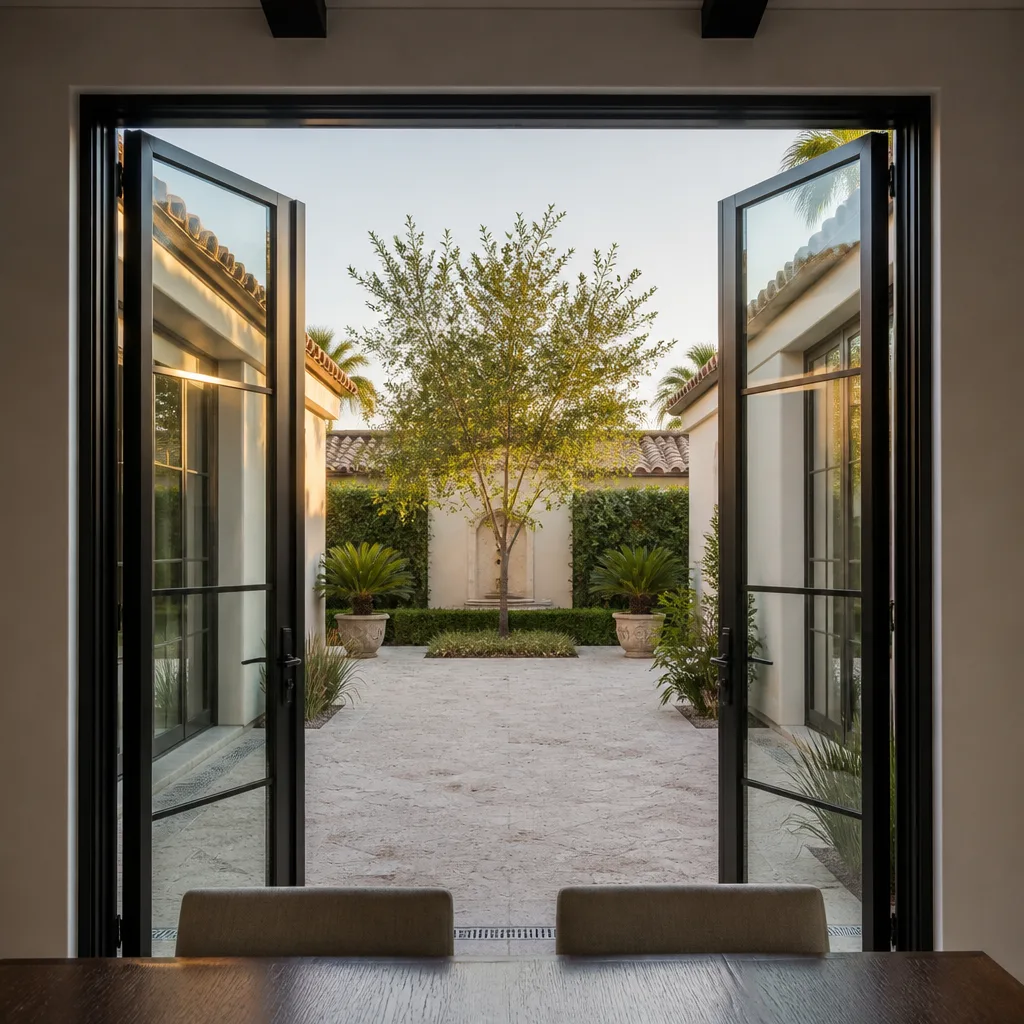
When you sell a Lighthouse Point property, the Florida residential contract requires disclosure of “any work performed without required permits.” The buyer’s title insurer will search permit records. Their home inspector will examine window labels and installation quality. Any gap in documentation becomes a negotiation point, or a deal-killer.
We provide every customer with a complete documentation package that satisfies resale scrutiny. Here’s what you should demand from any contractor, and what we deliver under Haven Clause 5 (No Surprises):
- The measured survey. A dimensioned drawing of every opening with sightline measurements, frame condition notes, and product specification. You keep the original.
- The written scope and price. A line-item document that matches the measured survey exactly. The final invoice references this document by number.
- Permit application and approval. Copies of the building permit with the contractor’s license number, your property address, and the scope of work.
- Inspection certificates. Rough and final inspection sign-offs from Broward County, showing the permit is closed.
- Product approval documentation. Florida Product Approval or Miami-Dade NOA sheets for every product installed, with the specific model numbers highlighted.
- Photo record. Time-stamped photographs of pre-existing conditions, rough installation, and completed work, uploaded to your customer portal.
- Warranty document. The 365-Day Done Right Promise, written into the Haven Standard, with specific coverage terms and claim procedure.
Without these seven items, your installation exists in a documentation gap. We’ve purchased properties in Lighthouse Point where the previous owner’s “professional” installation lacked permit close-out. The correction required reopening walls, re-inspecting fasteners, and engineering letters totaling $3,200. The original contractor had dissolved. The homeowner absorbed the cost.
Our door installation in Lighthouse Point follows identical documentation protocols. Whether the opening receives a Therma-Tru fiberglass entry system or a ViewLux sliding door assembly, the paper trail is the same.
Common Mistakes to Avoid
- Assuming same-size replacement needs no permit. Broward County requires permits for any frame removal in HVHZ, regardless of dimensions. We’ve seen homeowners in Lighthouse Point’s Hillsboro Shores fined $500 for this assumption.
- Using non-HVHZ products to save money. Products without Florida Product Approval or Miami-Dade NOA cannot pass inspection. The inspector will red-tag the installation and require removal.
- Skipping the sill pan. The integrated sill pan is mandatory under ASTM E2112 in HVHZ. Caulk alone fails every time. Water damage from this error typically appears twelve to eighteen months after installation.
- Hiring unlicensed labor to “help.” Florida statute 489 makes the homeowner liable for unlicensed work. If the helper is injured, your homeowner’s policy may not cover the claim.
- Missing inspection appointments. Broward County charges re-inspection fees of $75-$125 per occurrence. Three missed appointments erase DIY savings.
- Discarding product labels. The Florida Product Approval label must remain legible on the installed unit. Photograph it before trim covers it; inspectors may require proof.
- Assuming insurance covers DIY defects. Standard policies exclude damage from unpermitted work. Verify with your carrier before starting, not after the leak appears.
When to Call a Professional
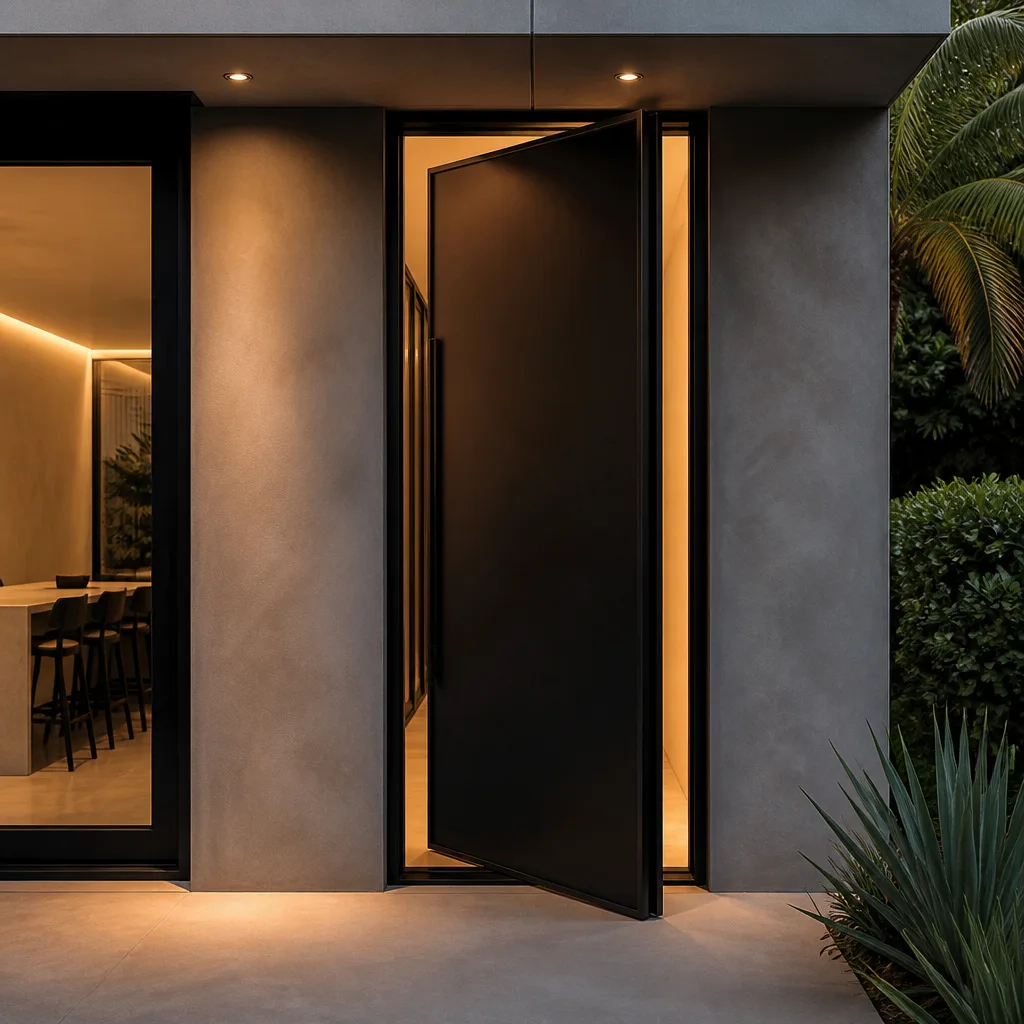
Call a licensed contractor when the work touches the frame, the opening, or the building envelope. This covers nearly every window and door project in Lighthouse Point except trim, hardware, and weatherstripping maintenance, which you can learn about in our Seasonal Windows & Doors Care for Lighthouse Point: Year-Round Homeowner’s Guide. The permit requirement is not a suggestion; it is a legal condition of occupancy and a prerequisite for insurability.
Specific scenarios that require professional involvement: any impact-rated product installation, any opening modification, any structural repair discovered during removal, any project where your homeowner’s policy requires licensed work for coverage, and any installation where you need documentation for future sale.
Sightline Windows & Doors Lighthouse Point offers free estimates in Lighthouse Point. We’ll review your existing openings, identify the specific products that meet HVHZ requirements for your exposure and budget, and provide the written price before any work starts. Call (754) 600-8907 to schedule your measured survey.
Frequently Asked Questions
Professional installation of a standard impact-rated vinyl window in Lighthouse Point typically ranges from $1,450-$2,100 per opening, including product, materials, labor, permit, and inspection fees. Larger openings, custom shapes, or premium products like ViewLux architectural series increase the range to $2,400-$3,800. Call (754) 600-8907 for a written estimate on your specific openings.
In Broward County’s HVHZ, the permit application requires a licensed contractor of record for window and door replacement. A homeowner cannot pull the permit as owner-builder for this work category because it requires product-specific installation certification that only licensed contractors can obtain. The owner-builder exemption applies to work categories that do not require specialized trade licensing.
Probably not, if the installation was unpermitted or deviated from Florida Building Code requirements. Standard policy exclusions bar coverage for damage arising from work performed without required permits or in violation of applicable codes. The exclusion applies even if the unpermitted work did not directly cause the damage, if the insurer can establish it compromised the building envelope. Verify coverage with your carrier before proceeding with DIY installation.
Request copies of the building permit, the inspection certificates showing rough and final approval, and the product approval documentation matching the installed model numbers. Cross-check the contractor’s license number on the Florida Department of Business and Professional Regulation website. At Sightline, we provide all documentation in a customer portal within 48 hours of final inspection.
You must disclose unpermitted work on the Florida residential contract. The buyer may demand retroactive permitting with engineered drawings, a price reduction, or contract termination. Retroactive permitting in Broward County averages $2,800-$4,200 including penalties, re-inspection, and potential remediation. Title insurers increasingly exclude unpermitted structural work from coverage.
Yes. Impact-rated assemblies require specific fastening patterns, larger structural fasteners, continuous sill pan flashing, and perimeter sealant beads dimensioned to the manufacturer’s approved detail. The assembly is tested as a system; deviation from the approved installation method voids the impact rating and fails inspection. PGT and CGI products, for example, each have distinct fastening schedules that cannot be interchanged.
The Bottom Line
The DIY vs. professional question for windows and doors in Lighthouse Point is settled by law before skill ever enters the calculation; for more guides & resources on navigating these requirements, explore our blog. Florida statute 489 and Broward County’s HVHZ amendments require a licensed contractor of record for virtually every window and door project beyond trim and hardware maintenance. The permit is mandatory, the product approvals are non-negotiable, and the inspection sequence is three-step and unforgiving. DIY savings evaporate against permit costs, tool acquisition, time value, and the catastrophic risk of uninsurable water damage or a title defect at sale. Professional installation with full documentation protects your insurance coverage, your resale value, and your legal standing. The price you pay for licensed work is the price of compliance, and compliance has never been optional.
Written by Sonia Raman, Owner at Sightline Windows & Doors Lighthouse Point, serving Lighthouse Point since 2012.